Photos by Cindy Carson

Albuquerque schools have a long history. By 1598 there were at least five Spanish missions in the area seeking to convert and educate Natives.
Few if any early structures remain. Often new schools were built on or near the locations of the old.
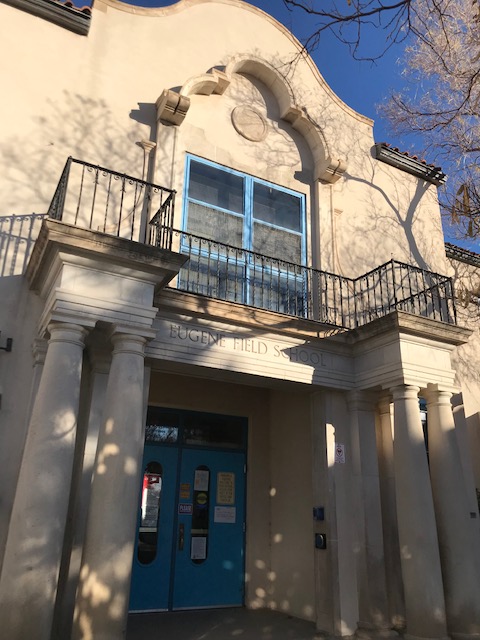
There were 138 schools in the New Mexico Territory in 1875. In 1891 the Territorial Legislature passed a bill allowing municipalities to tax for schools. That’s the year the Albuquerque Public School Board, now one of the nation’s largest, began. There are 144 schools in APS today.
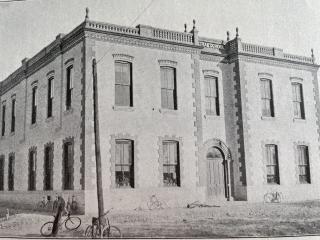
Four ward schools in each of the city’s political wards, were built soon after. The Central School followed in 1900.
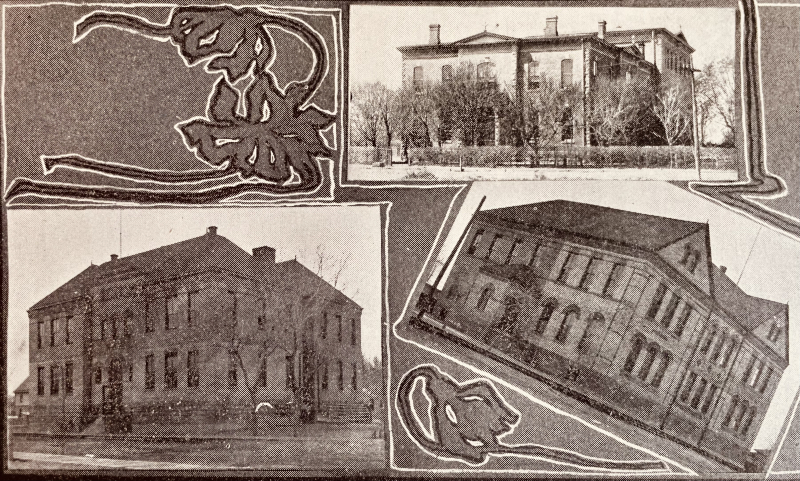
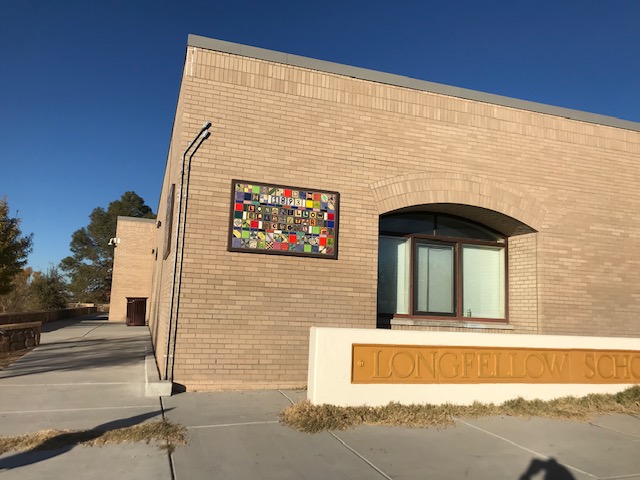
Ward One School, opened in 1882, was located at Edith and Martin Luther King Blvd. where Longfellow Elementary is now.
Ward Two School was at 900 Edith boulevard, south of Eugene Field Elementary School. No apparent trace remains.
The Ward Three School was on the site of Coronado Elementary near Fourth and Iron SW. Coronado was built in 1937 with WPA funds.
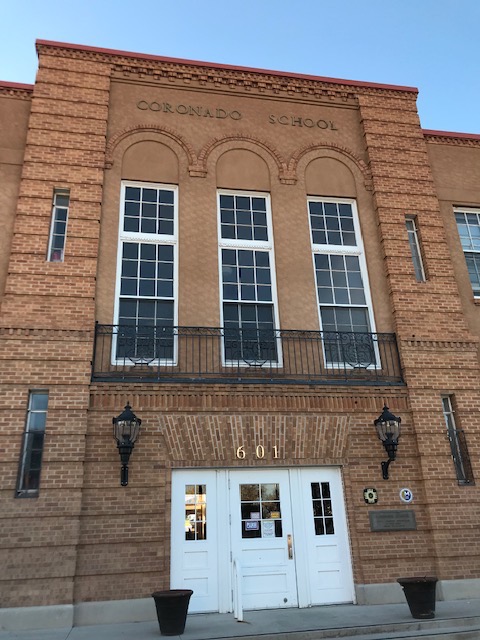
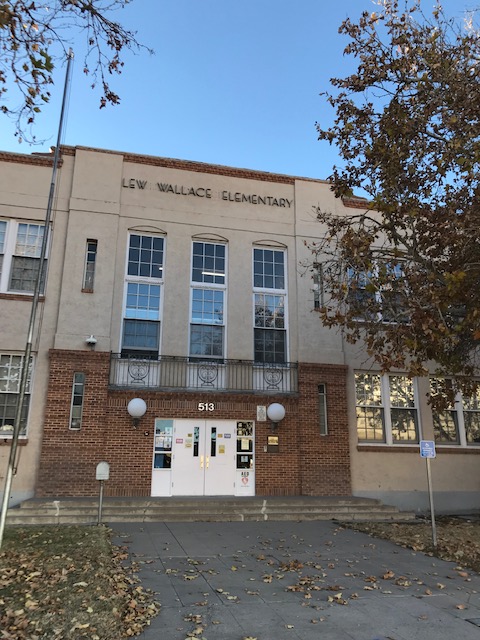
Ward Four School burned down in 1933. It was located where Lew Wallace Elementary is now.
What a character Wislizenus must have been.
Frederich Adolphus Wislizenus (1810-1889) was a physician, botanist, explorer, and adventurer. He was a German emigrant who had studied medicine at four universities in Europe before arriving in New York in 1834. He moved to St. Louis to practice medicine a few years later. Then, in 1839, he joined a fur trading expedition westward. He crossed the Rocky Mountains and on his return he joined a band of Flathead and Nez Perce. Then he wrote a book about it the next year, A Journey to the Rocky Mountains in the Year 1839.
His next adventure was joining a merchant expedition to Santa Fe and Chihuahua in 1846. On that trip he was detained for six months when war with Mexico started. He spent the time in the Sierra Madres observing, and collecting plants. His next report, Memoir of a Tour to Northern Mexico (1848) was about that trip.
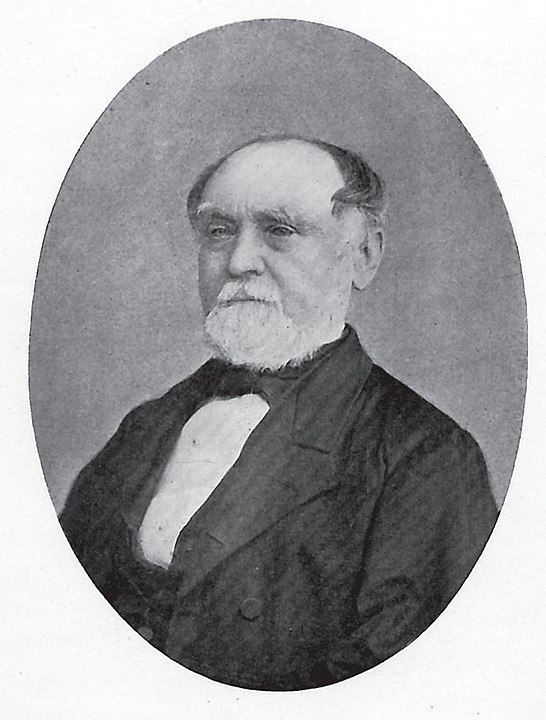
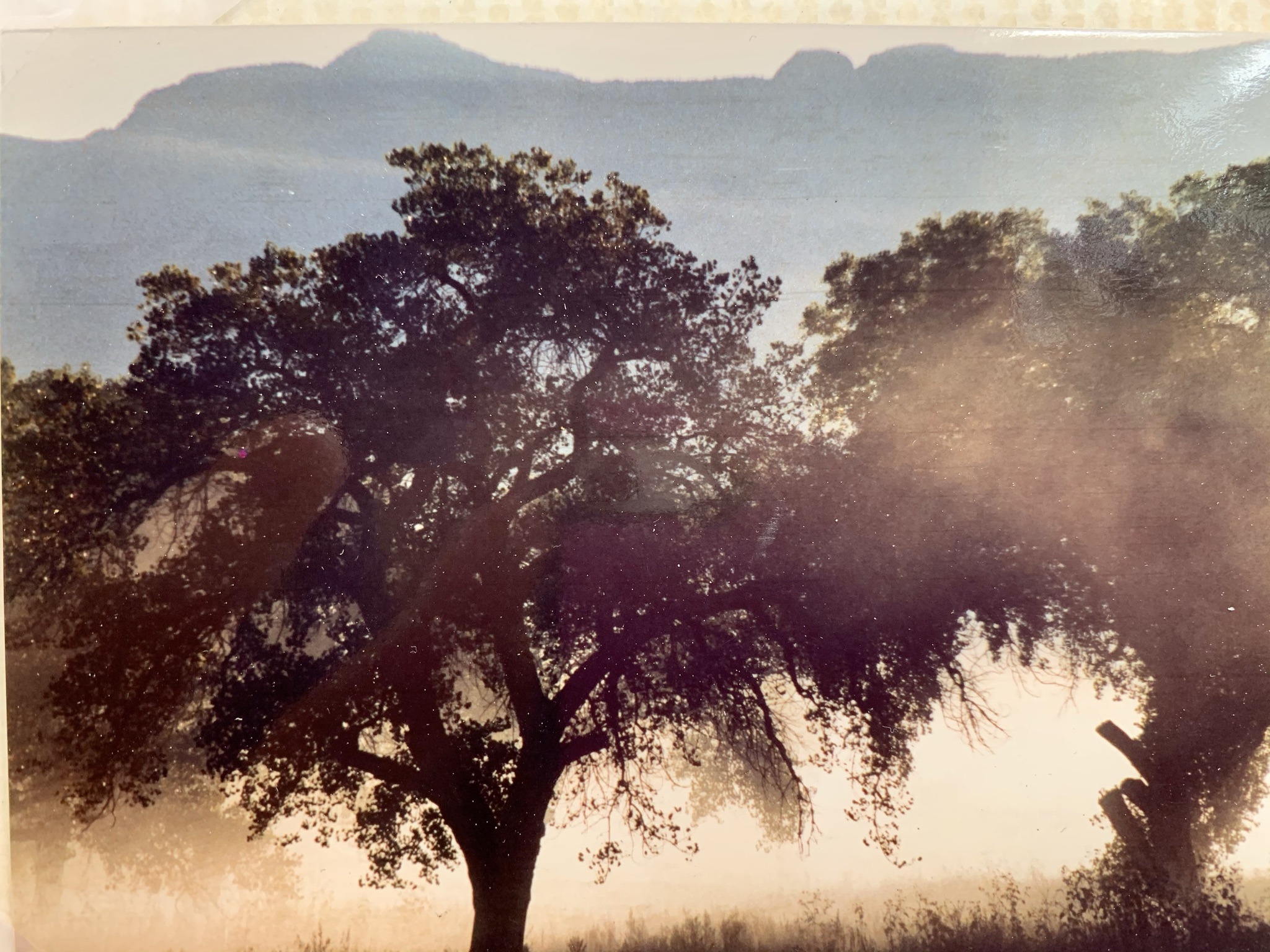
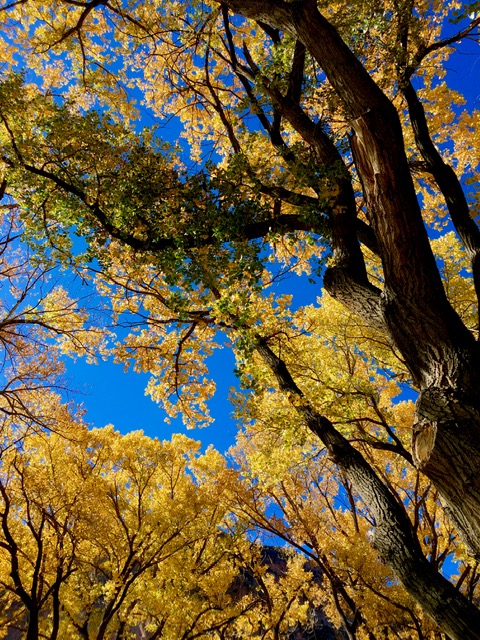
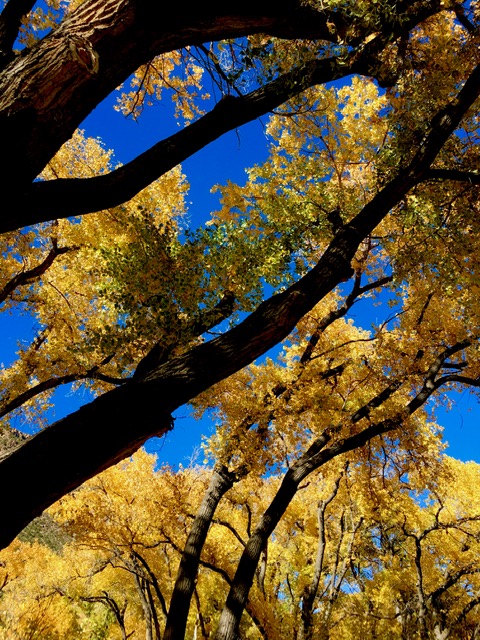
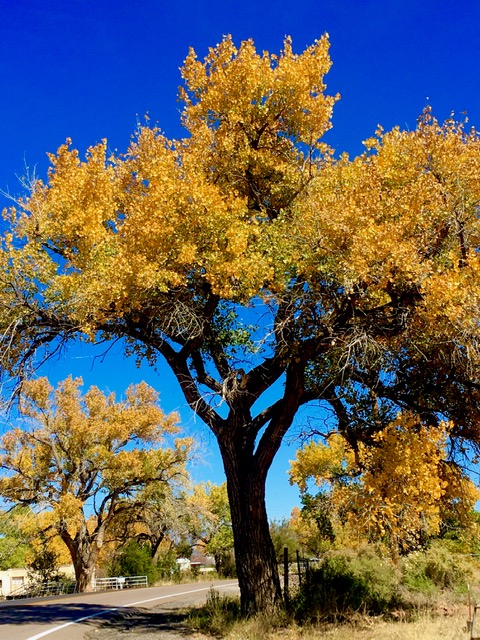
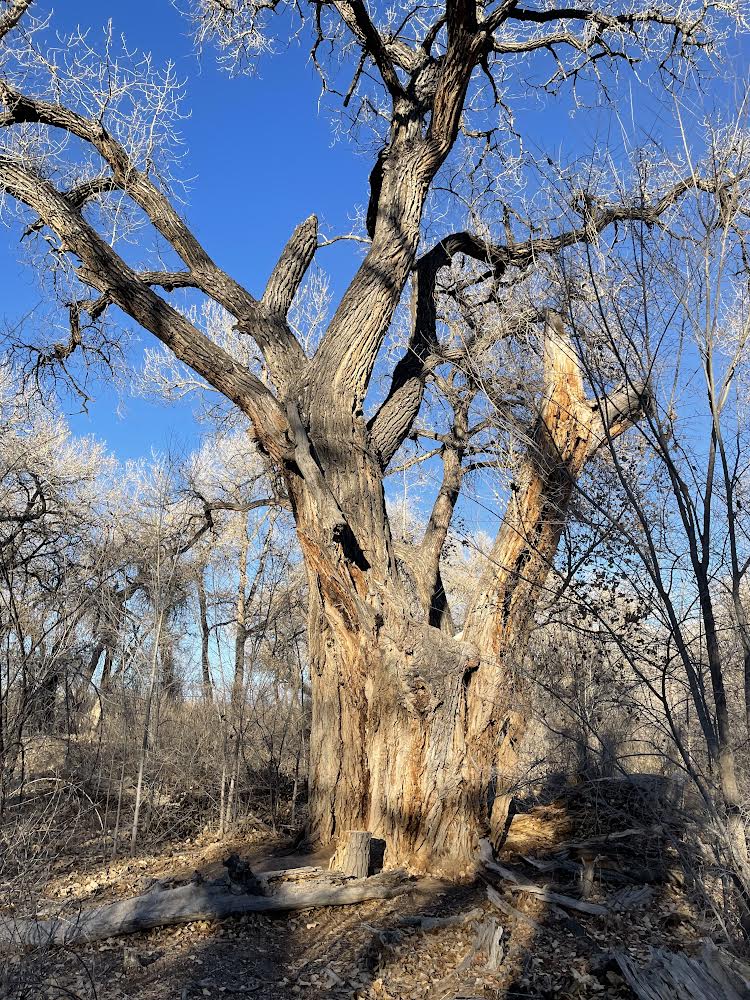
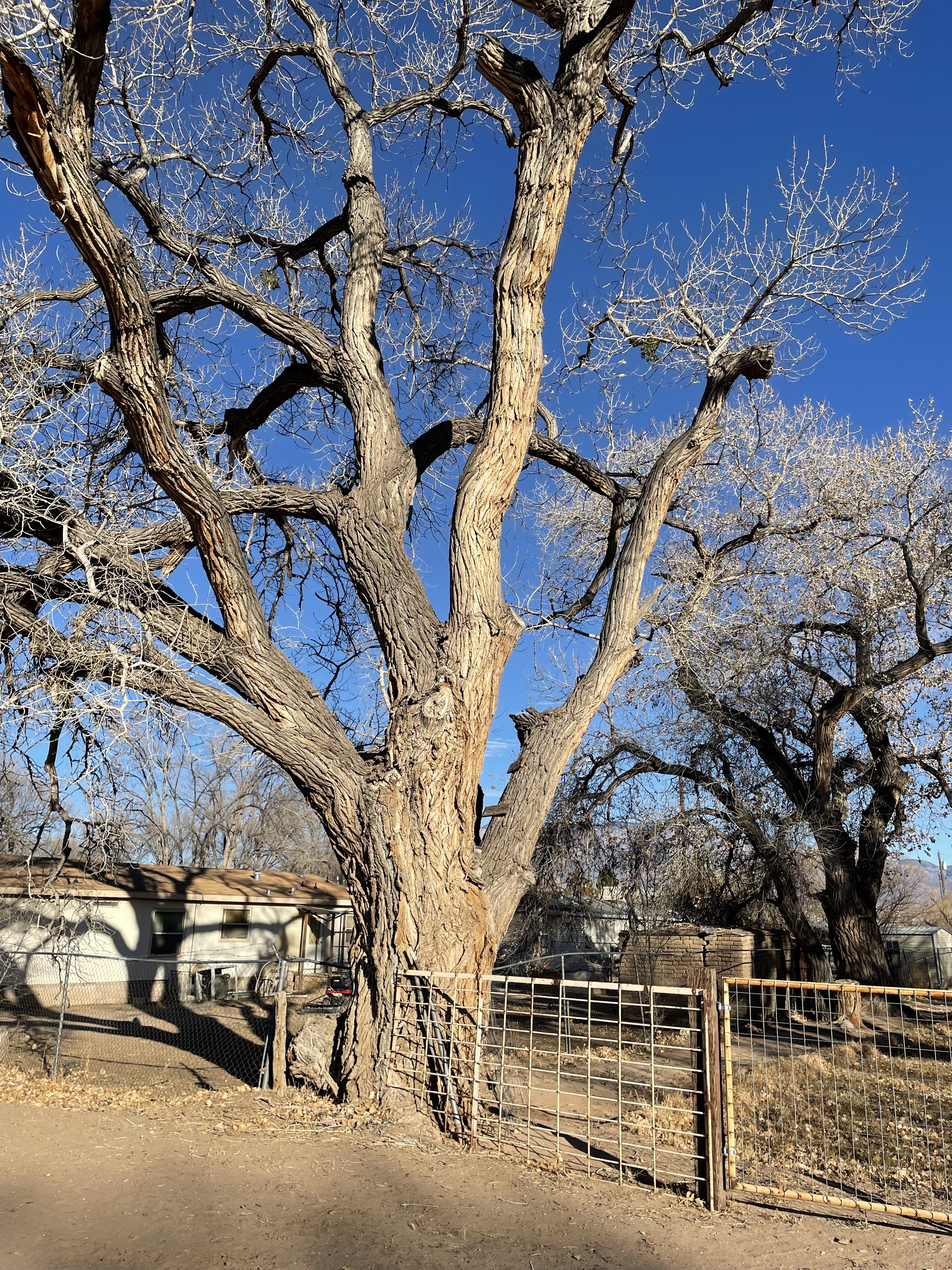
I imagine that’s when he first met the Rio Grande Cottonwood that his partner botanist George Engelmann was to name for him – populus deltoides wislizenii. I’m honored to know his tree.
TACA’s 41 year history began with Board Member Chan Graham. The organization is honored to have his ongoing involvement and support. His long life is rich in arts and travel and his work legacy encompasses no less than 13 boxes and 8 drawers at the Center for Southwest Research. He has served and continues to serve on multiple boards, worked with multiple tribes, designed new and innovative buildings, and renovated regional treasures. In addition to TACA, he has many ongoing interests and turns 94 this week. Happy Birthday Chan!
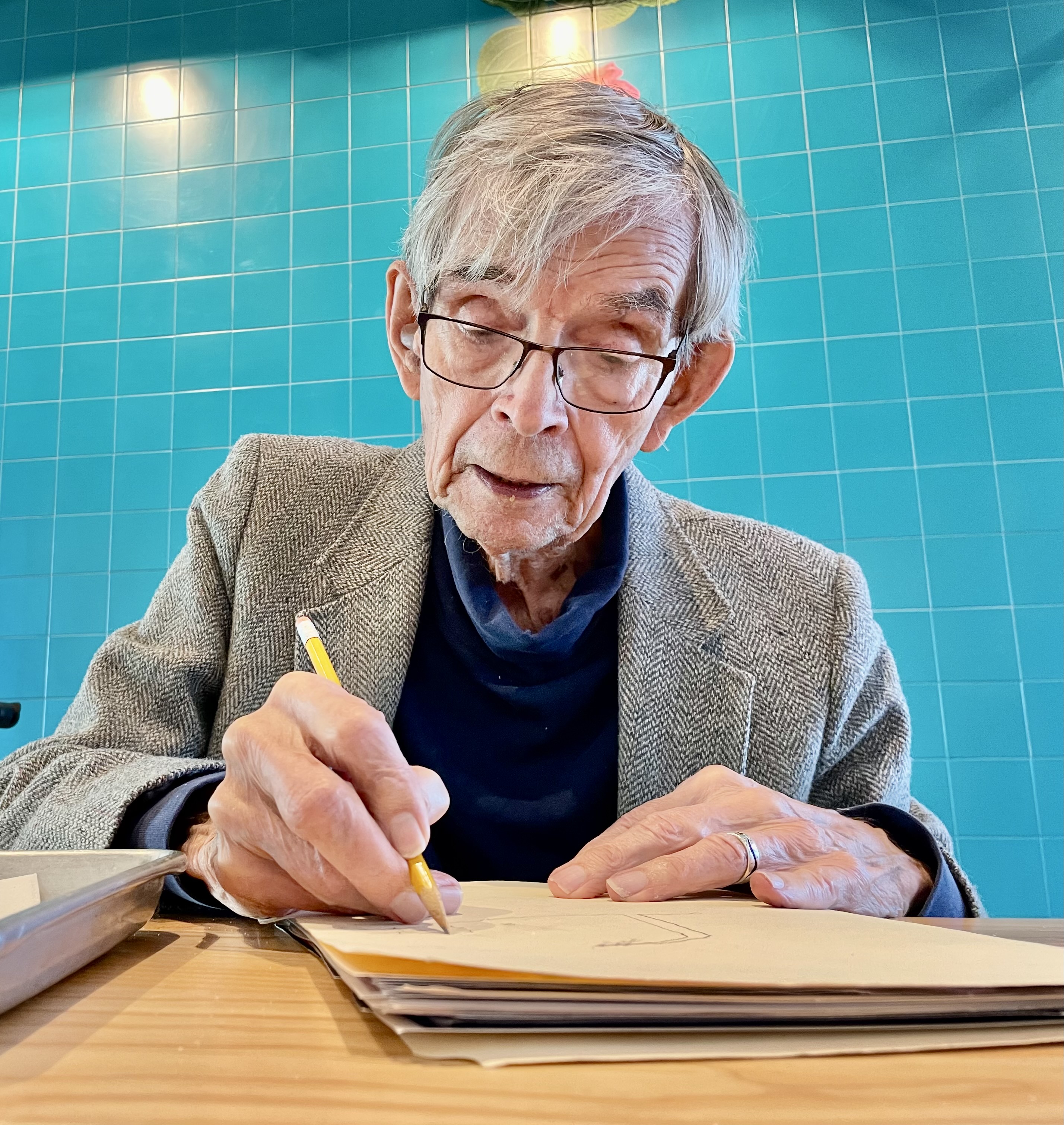
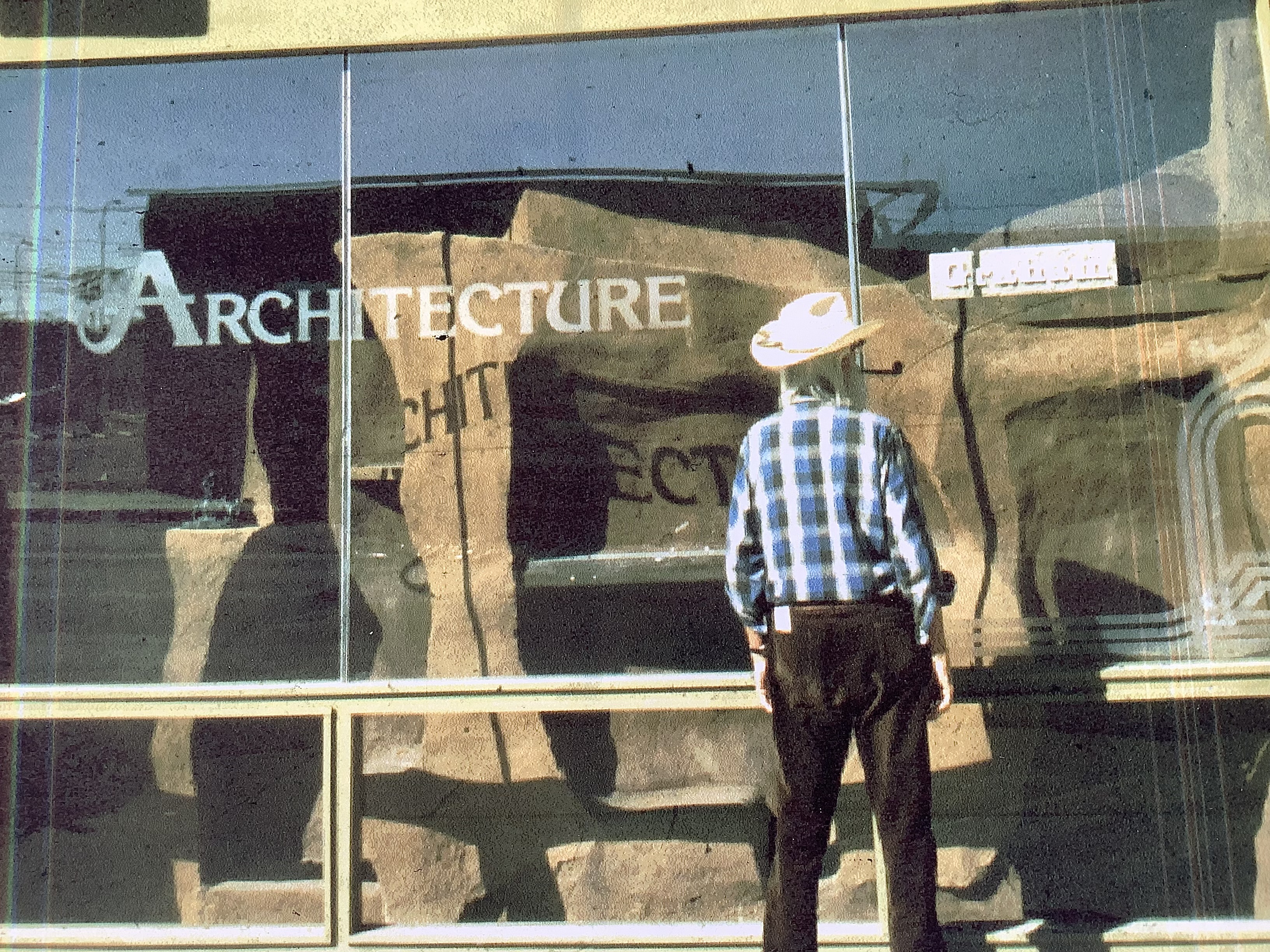
Chan shared several stories over coffee and pastries at Sawmill Market recently. One was about the office building he bought in 1978 at 709 Central Avenue in downtown Albuquerque. It was in this office that the first meetings of TACA were held in 1980.
The place was once Brooks Photo Studio and he discovered a treasure trove in an attic space of 16,500 negatives that he subsequently donated to the Albuquerque Museum. The photos include Albuquerque people and events from 1910 to the early forties.
Signage for the building Chan refurbished read simply “Architecture.” His first wife, an artist, designed a sculptural trombe wall for the interior of the south facing storefront.
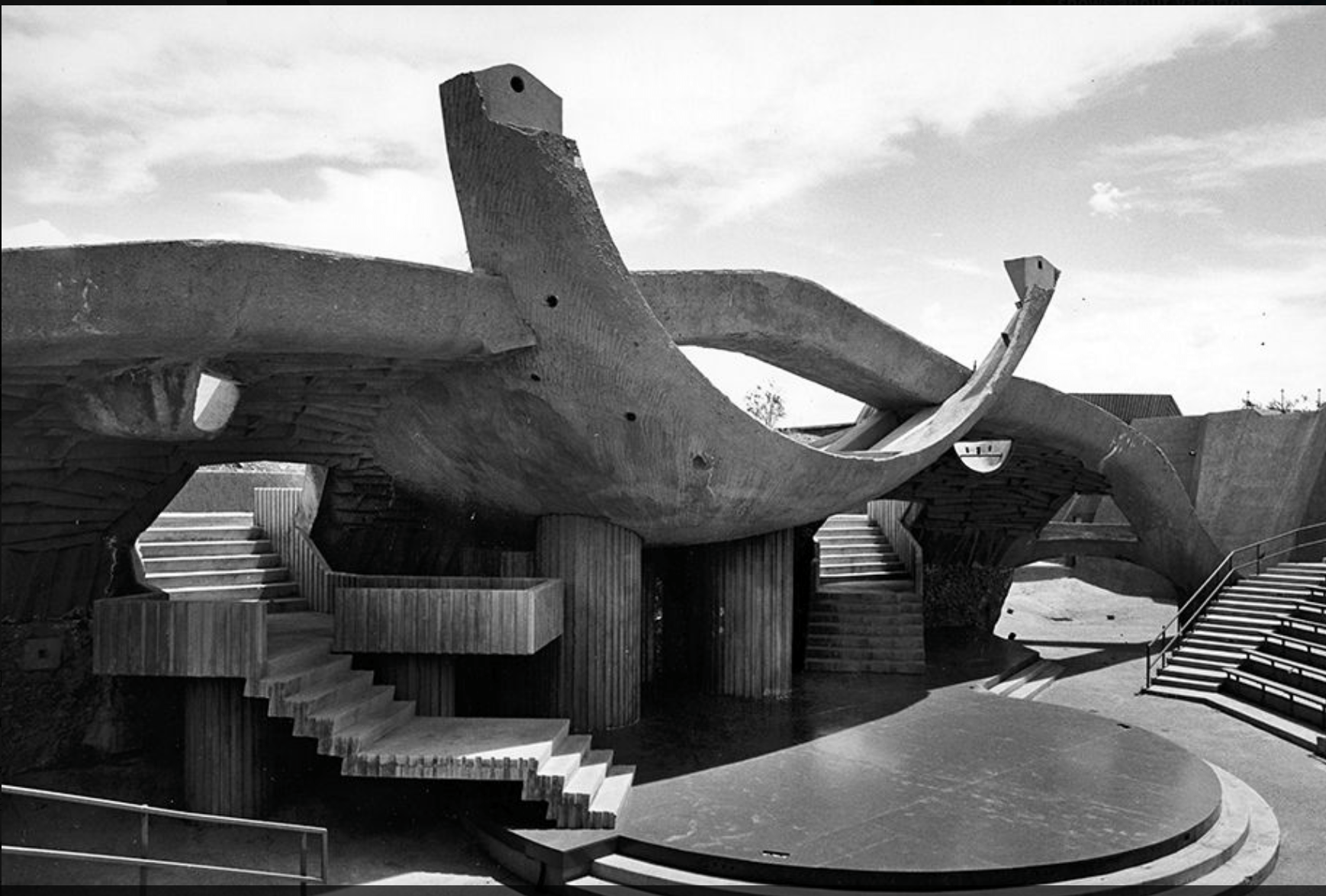
Chan’s numerous projects include collaboration with Paolo Soleri on the “Outdoor American Indian Theater” in Santa Fe.
He has done extensive renovation work that includes restoration of the San Miguel Mission Church in Socorro. That project is one of many for which he was awarded recognition. Another includes restoration of the courtroom in the 1930 Federal Building.
When I asked about his favorite projects he answered immediately. “The churches.” He has designed 38 of them and is especially fond of the Indian Assembly of God, (now All Nations Assembly of God,) at 1119 Menaul Blvd. This is where he and Tamara, his wife of 39 years and another prominent figure in Albuquerque and TACA’s history, were married.
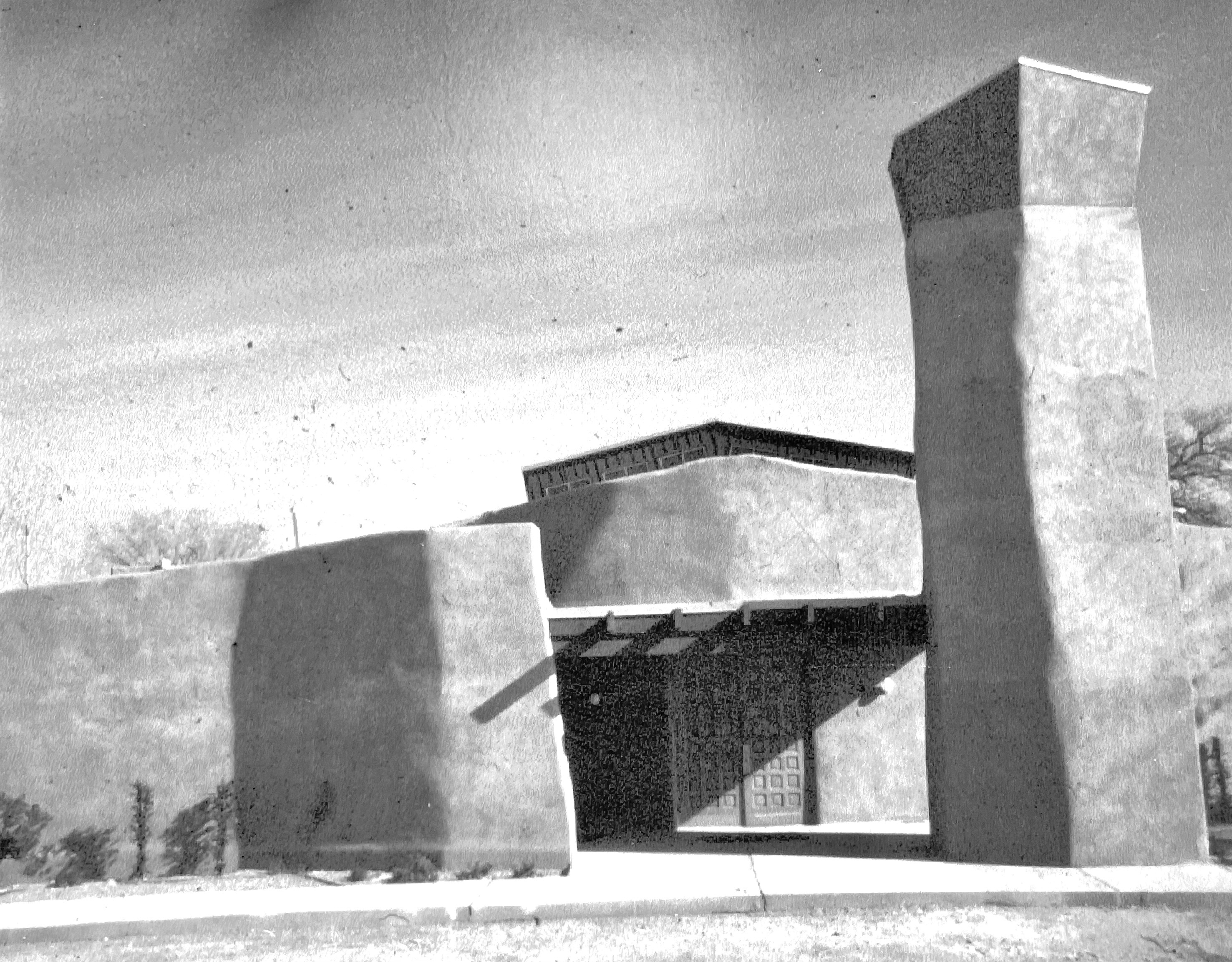
Chan’s designs have been expressed through many mediums in many places; from adobe design to photography and from New Mexico to Staten Island. His history and experiences are inspirational. They spark my appreciation for places that he and the foundational members of Albuquerque’s preservation movement, have saved, renovated, and recognized. Many of Albuquerque’s treasures exist because of this optimistic energy.

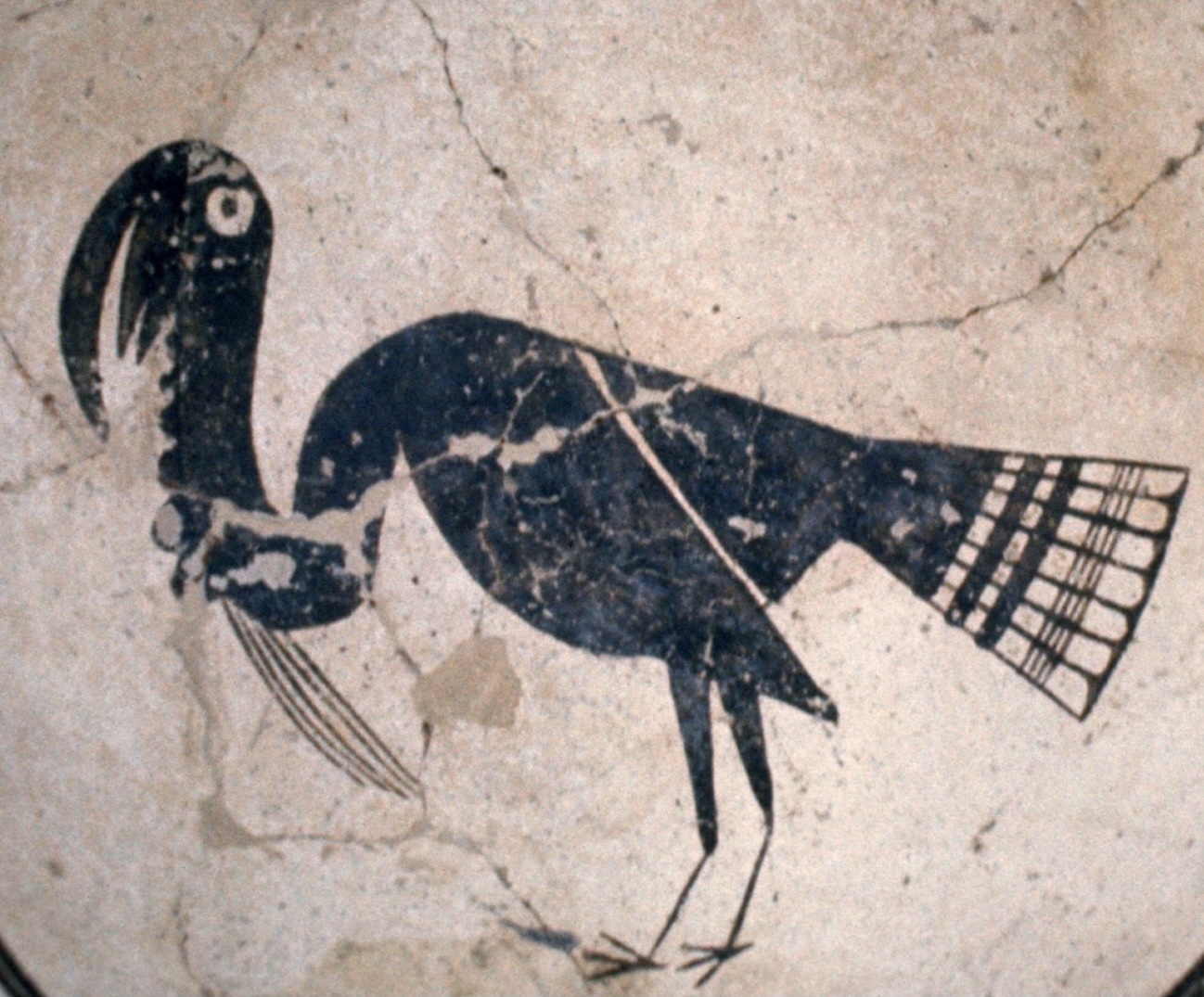
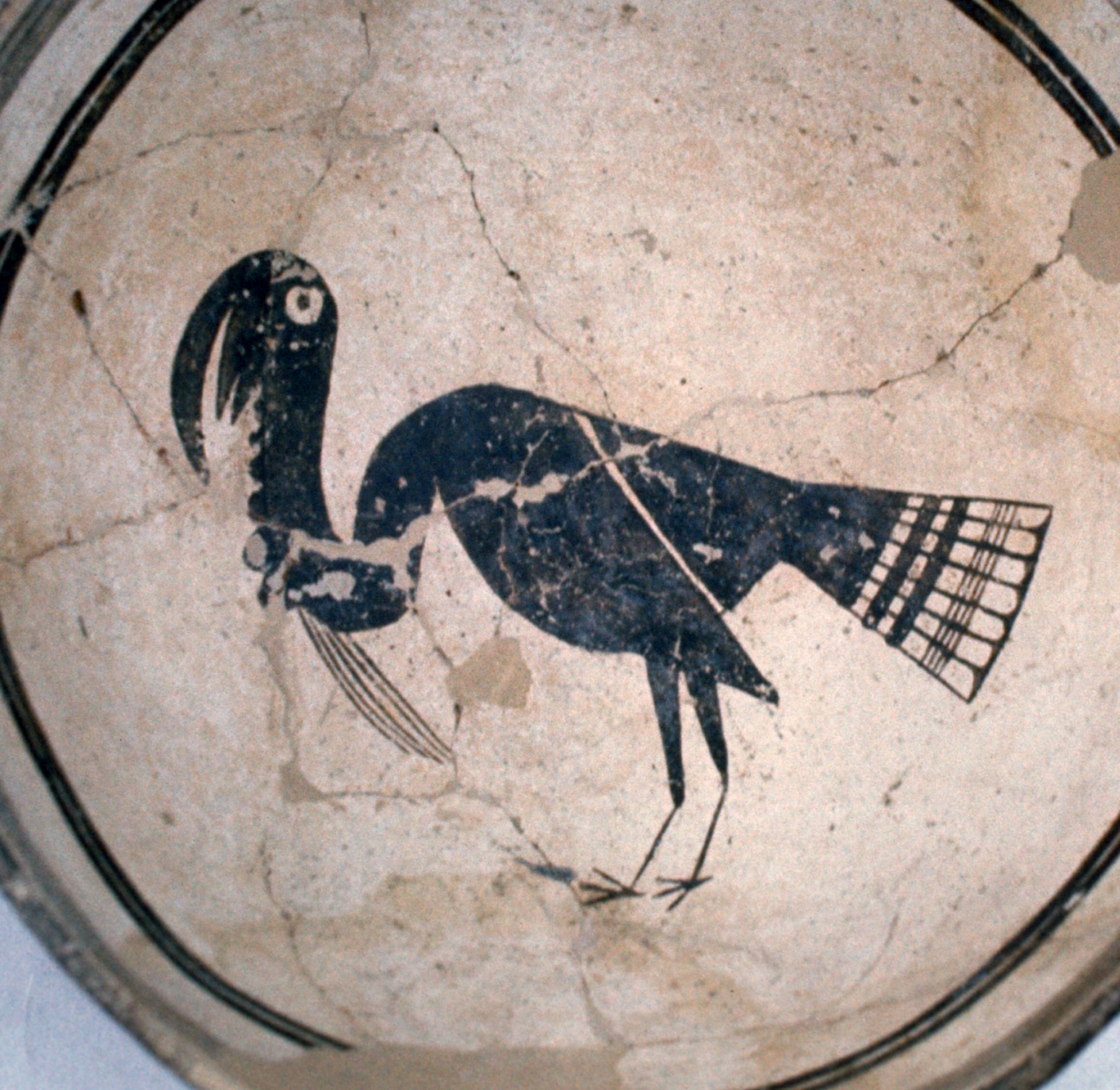
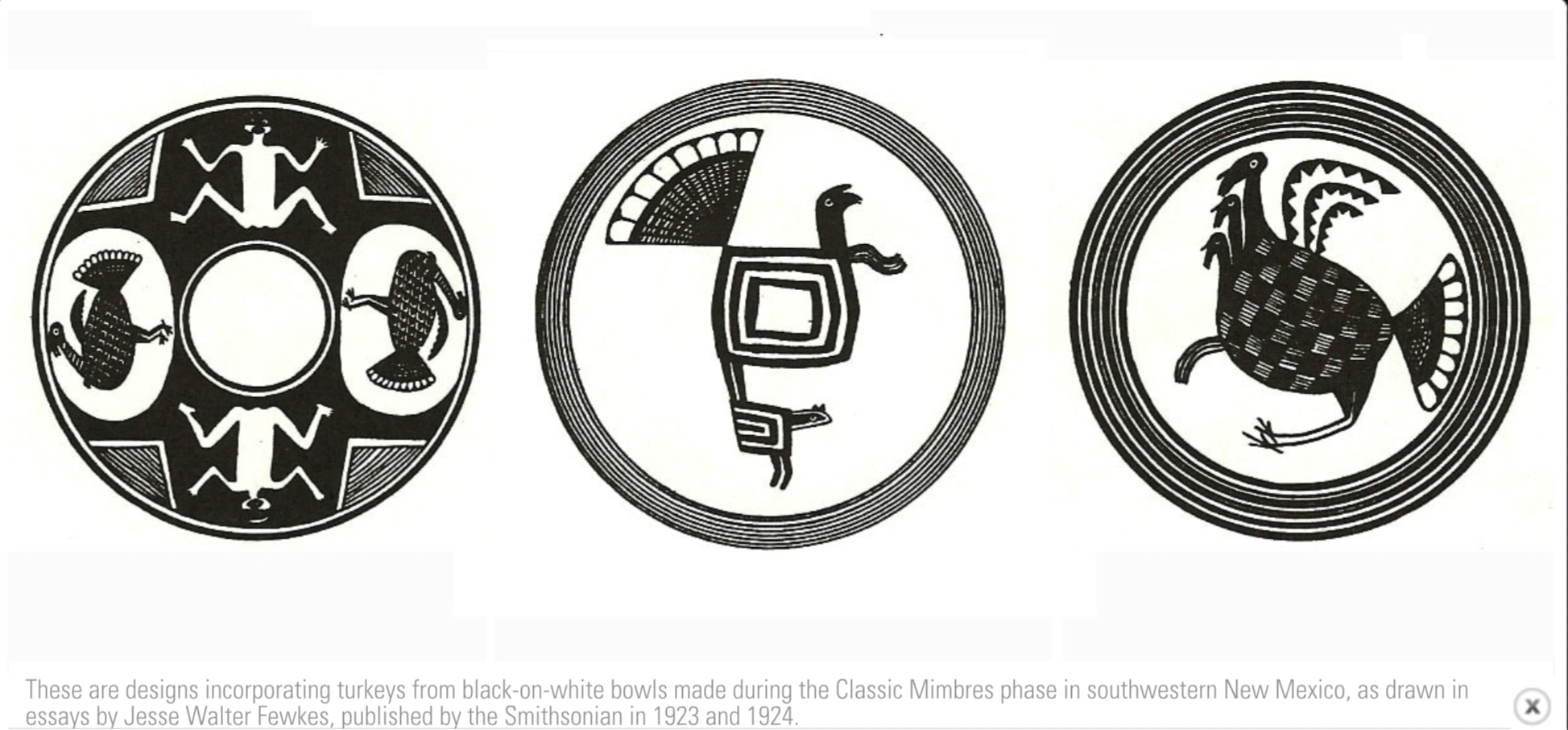
My idea of what ancient Pueblo villages looked like did not include so many birds.
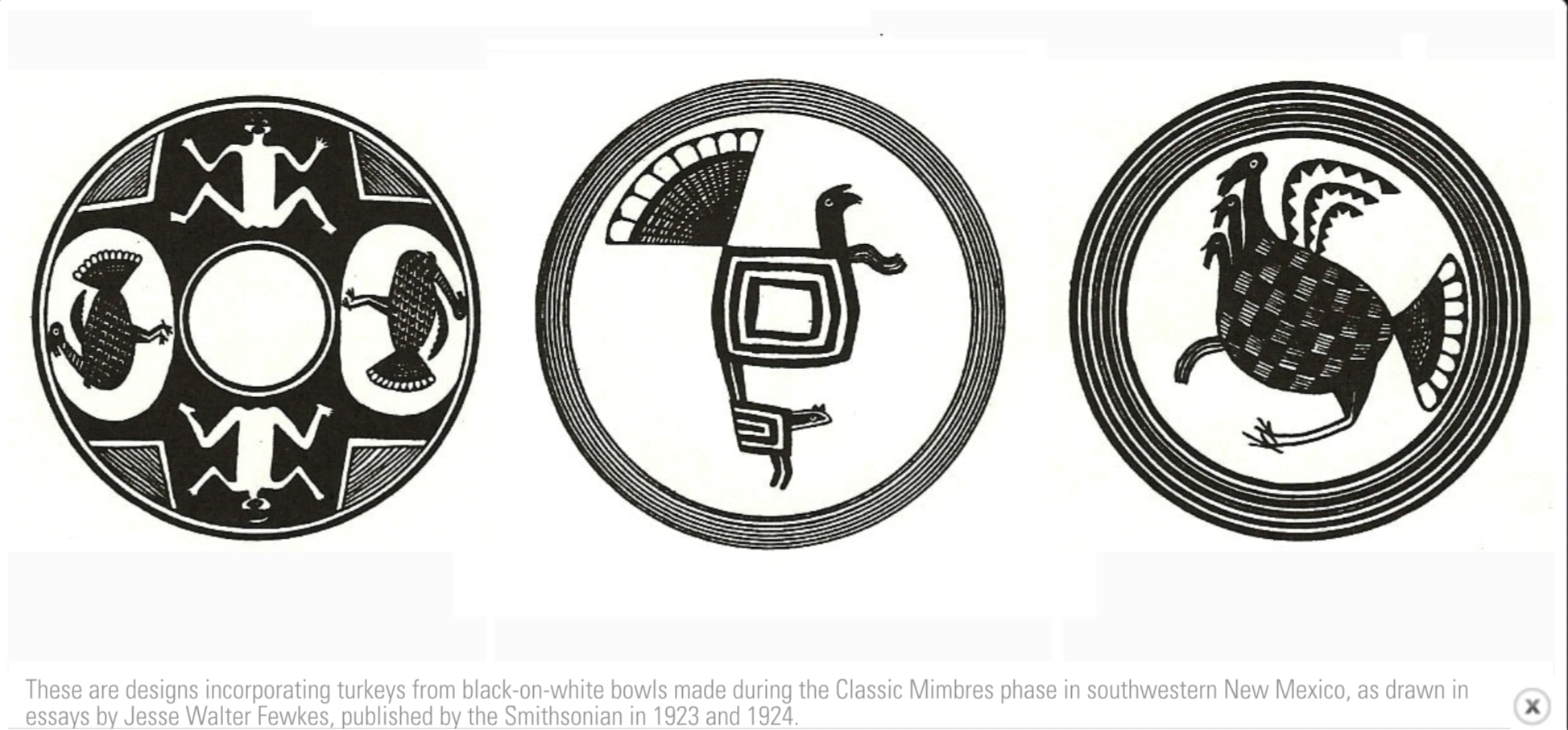
(Image from Archaeology Southwest)
The excellent lecture series by Archaeology Southwest on Avian Archaeology is ongoing and past talks are up on their YouTube channel. The next on Turkey feather blankets will include blanket maker Mary Weahkee who replicates them using ancient techniques. The research Cyler Conrad presented is here. Upcoming topics include birds of Chaco Canyon, turkey burials, depiction on pottery and macaw and parrot keeping.
The widespread evidence of domestic turkey management by ancient people indicates that they were managed in different ways and kept for different purposes. They were tethered, penned, housed in converted room blocks, and allowed to free range. Every part of them was used – eggs, feathers, bones. Maybe they provided pest control. Maybe they provided companionship.
Judging affection for animals from the archaeological record is impossible, right? But it’s clear turkeys were valued very highly and there seems to be little evidence that they were raised as a primary food source. They were more valuable, for whatever reasons, alive.
There’s a broken wing splint artifact in a display case at the Coronado Historic Site. I saw it years ago and think about it frequently. It’s not the only example that’s been found. The turkey’s wing was broken, reset and healed. You don’t do that to just any old bird you want to eat and make flutes out of.
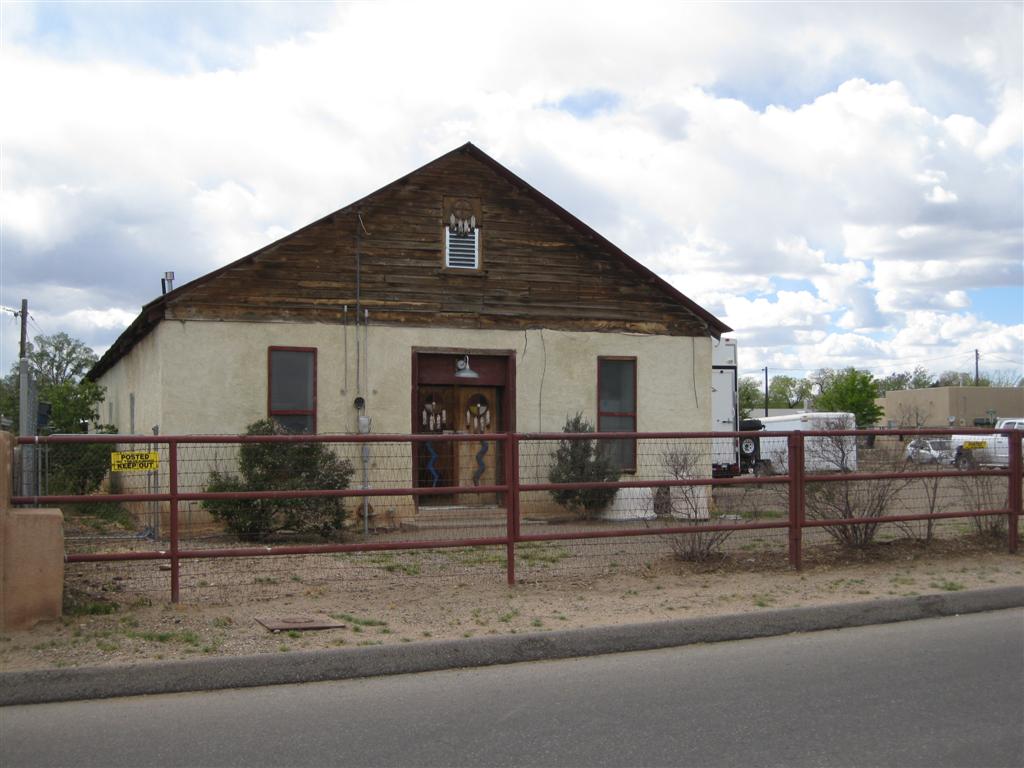
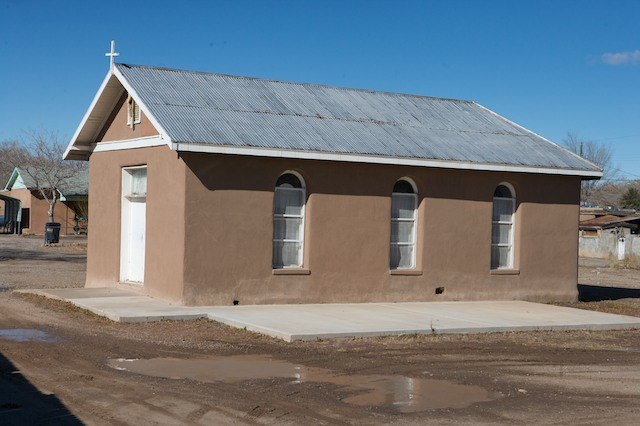
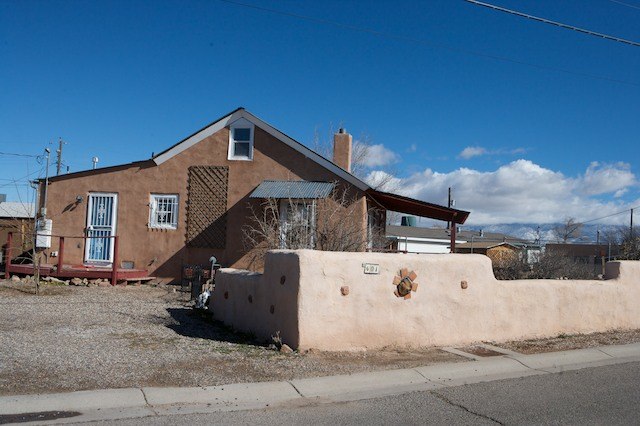
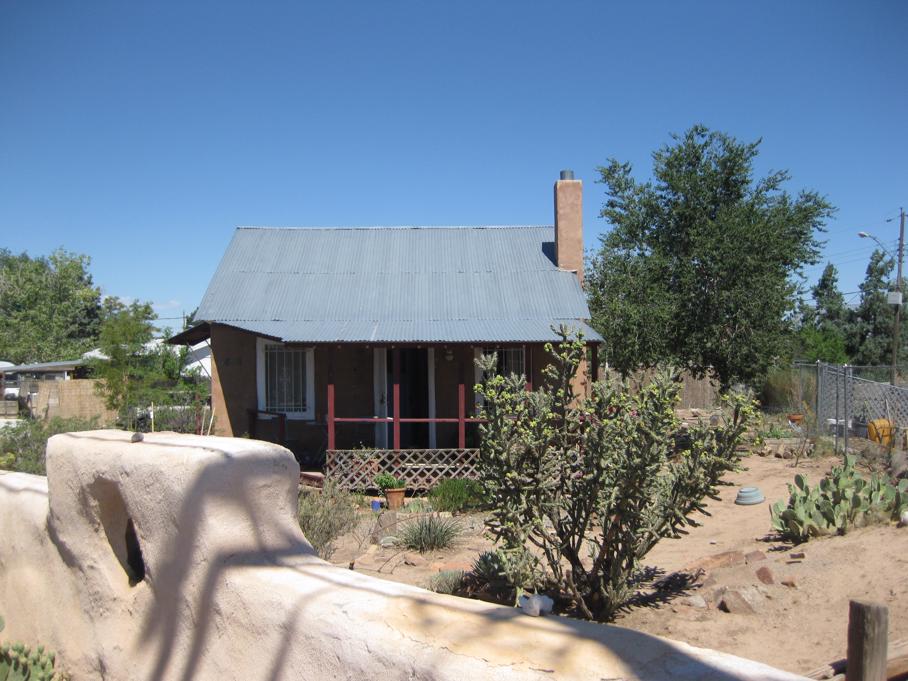
Like many of the other small old settlements up and down the Rio Grande, Los Tomases was surrounded and subsumed by Albuquerque’s expansion in the post war years. Its remnants reflect the agricultural history of the valley. The place name, like similar settlements of Los Griegos, Los Candelarias, and Los Duranes, is derived from a family name. (Photos: Joe Sabatini)
Cottonwoods of the Middle Rio Grande Valley
Populus deltoides wislizeni
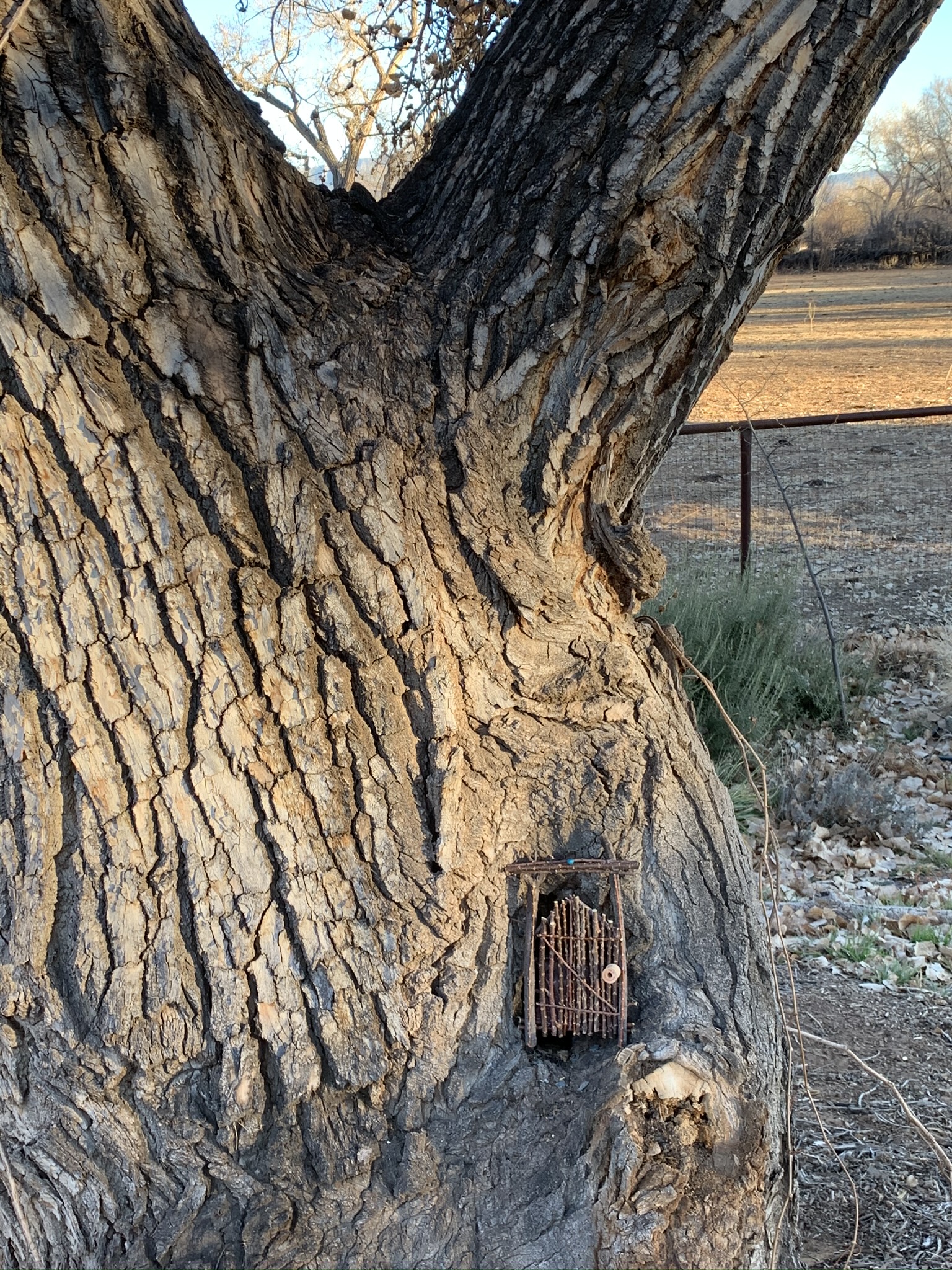
Photos by Cindy Carson and SE Jones
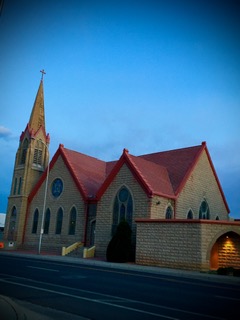
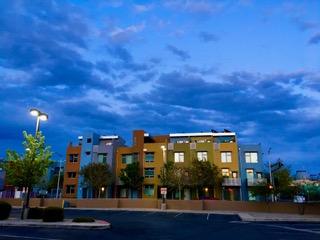
Photos by Cindy Carson
 | Rock Hound – C… on Sonoran Falling |
| Adric Menning on Carnuel Cross | |
 | Albuquerque’s Neon P… on The Neon Park and the Garcia… |
 | Mesa Verde | The Alb… on Jerry Widdison |
| Jerry’s 90th! | The… on Jerry Widdison |
 The Albuquerque Conservation Association