Recent Comments

Rock Hound – C… on Sonoran Falling Adric Menning on Carnuel Cross 
Albuquerque’s Neon P… on The Neon Park and the Garcia… Mesa Verde | The Alb… on Jerry Widdison Jerry’s 90th! | The… on Jerry Widdison

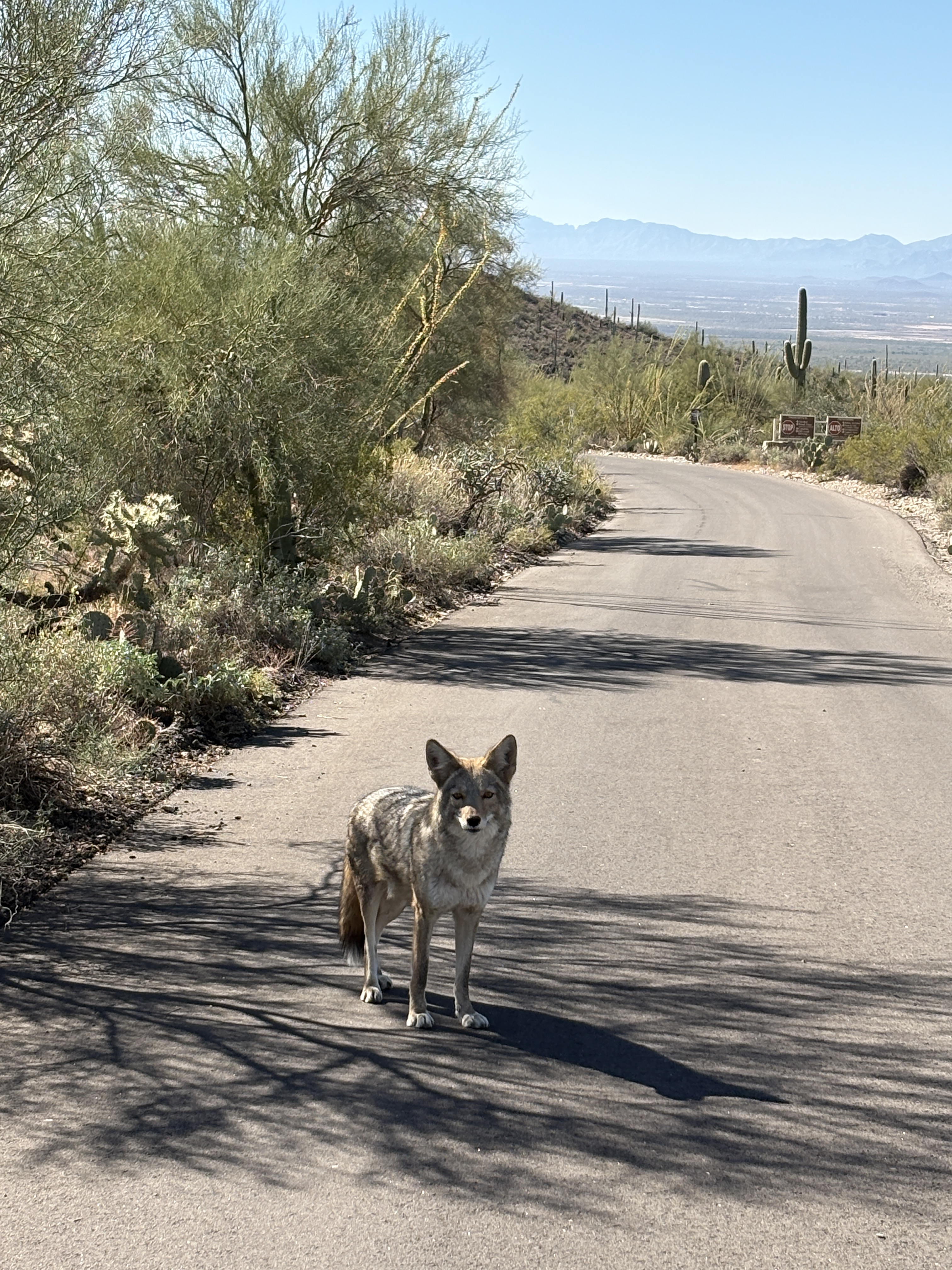
Last night I dreamed coyotes were calling me. They hung up when I answered.
This visit to the Deming Luna Mimbres Museum,“The Biggest Little Museum in the Southwest,” included the stunning mineral collection. It’s a veritable hoard of gems and geods and dreamy-deep geology lessons and details. The book selection in the gift shop and the gifts in the gift shop make this a required stop.
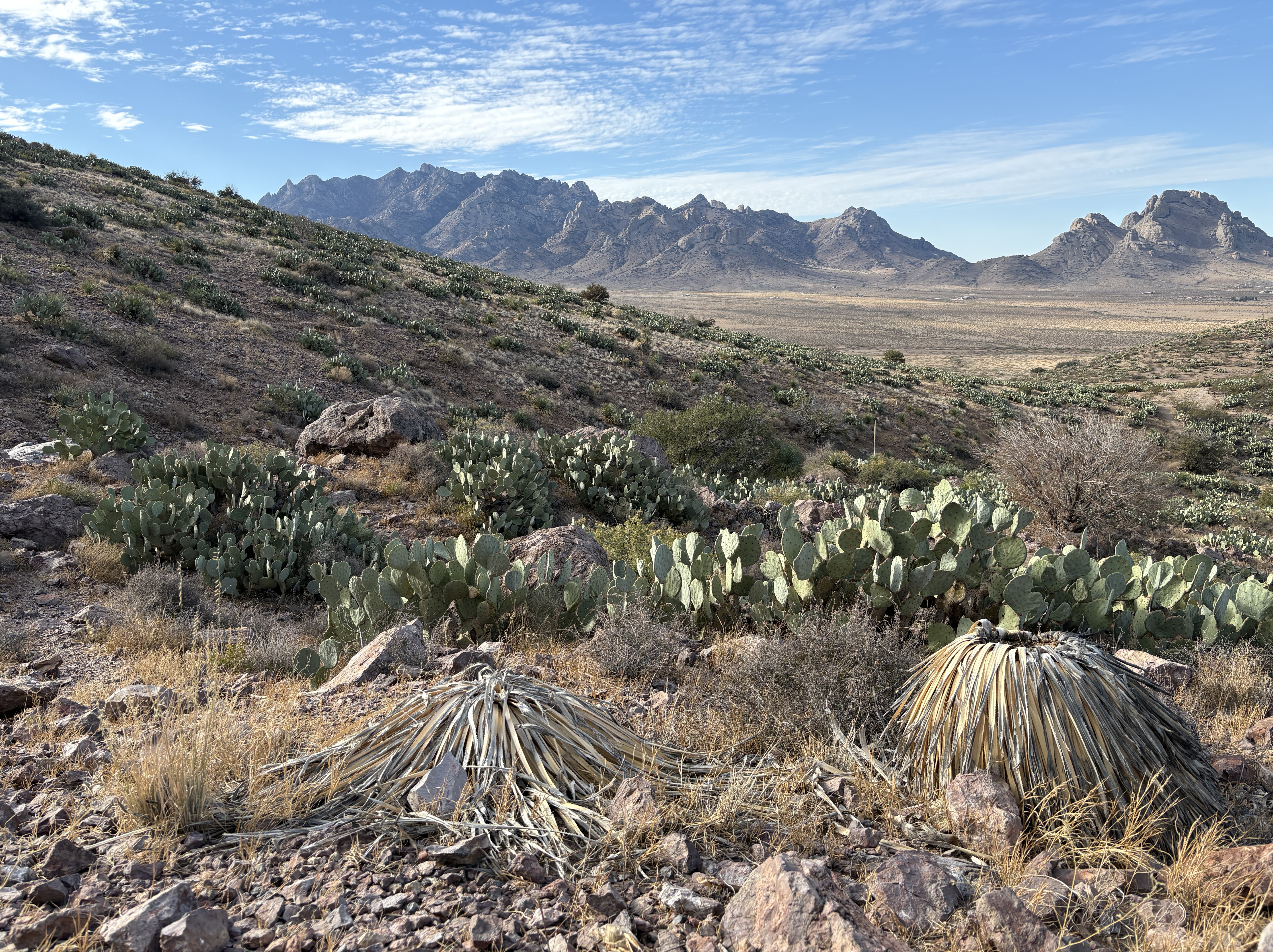
I wanted to camp in Apache land. Mostly I saw a lot of overgrazed land and cows.
The Apache shaped history but those who fought the hardest and longest don’t live in the Chiricahua Mountains or environs now. They went to Mexico or Mescalero or San Carlos or Fort Sill after Geronimo’s surrender. In their homeland they remain only in place names. Their history and what we know of this entire region has been filtered and modified by the the actions of multiple players over centuries.
Take old movies for example. I like an old Vincent Price movie. He stars in The Baron of Arizona, 1950. It’s based on the true story of a man who claimed much of present day Arizona and New Mexico for himself. James Addison Reavis (1843-1914) collected millions through sale of quit claim deeds and investments before his ultimate failure.
Like several other infamous Civil War veterans from Missouri, Reavis exploited the U.S. land grant claims system. But a significant block in his efforts were Apache conflicts. Entire portions of southern Arizona and its pioneer populace were subject to waves of upheaval and abandonment during this period. Reavis left for the safety of California and in 1895 his claim was finally found to be “wholly fictitious and fraudulent.” He died, broke, in Los Angeles in 1914.
It’s shocking to see the number of cattle on public land in the Sonoran desert. In most places there’s not a speck of grass visible anywhere from the ground or from the satellite photos. Look at the range and the vegetation within fenced-off parcels where cows aren’t, if you can find them. There was a new but torn vinyl billboard on I-10 near Bowie that says something like Ranchers feed America, not Wolves. It’s my understanding that range cattle make up less than 2% of the beef supply in this country. Maybe it should be: Farmers and the Mexicans they hire feed America.
Rock Hound State Park searching for “pretties” in the perfect weather of early November. A lot of people bring a pick and know what they’re looking for. Alas, I found one rock with a tiny little crack and a tiny little layer of tiny little crystals. Mostly I saw pretty stars.
I’m getting into geology now that flora and fauna are shot. Cows don’t eat rocks.
***********
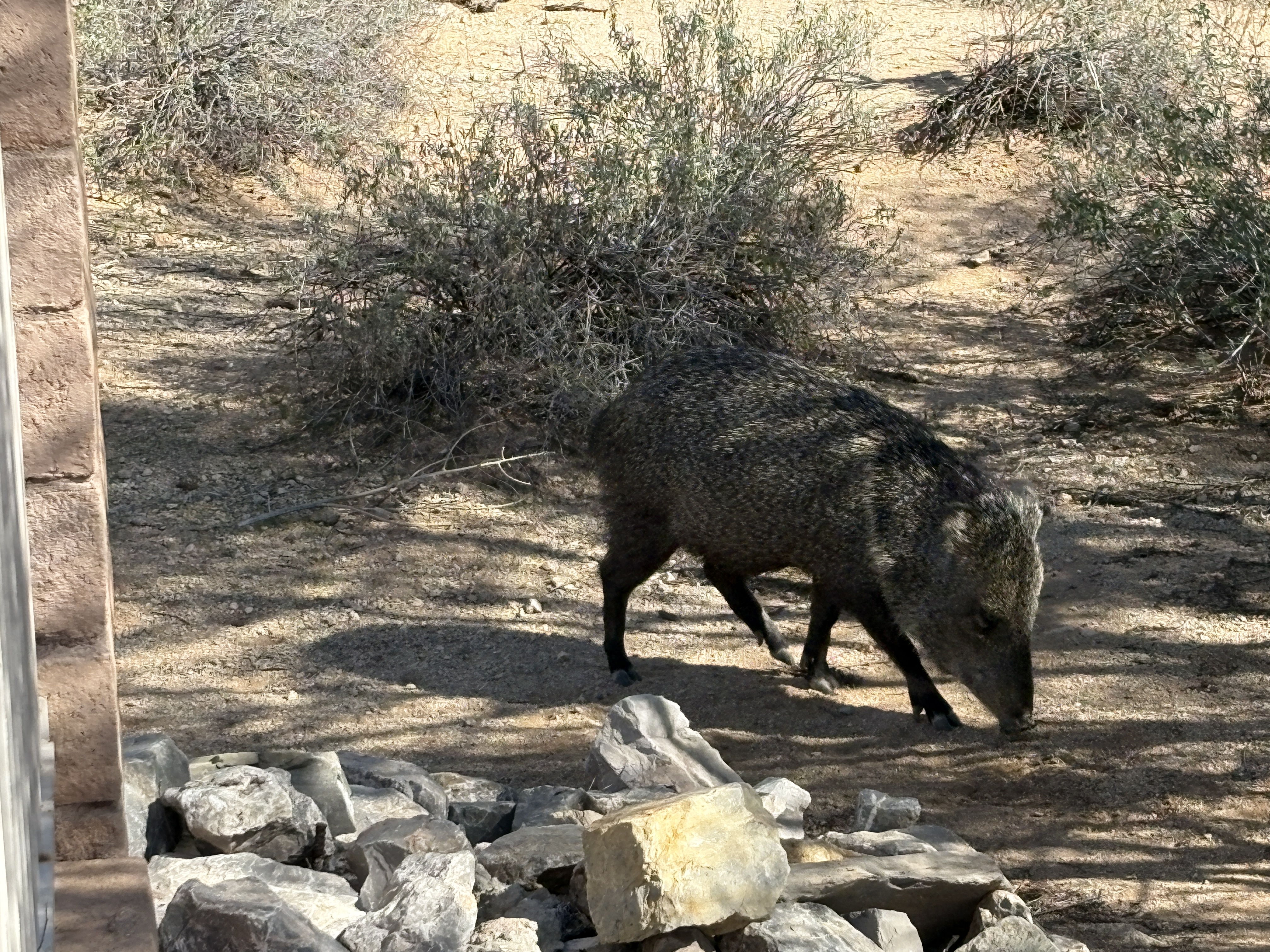
.

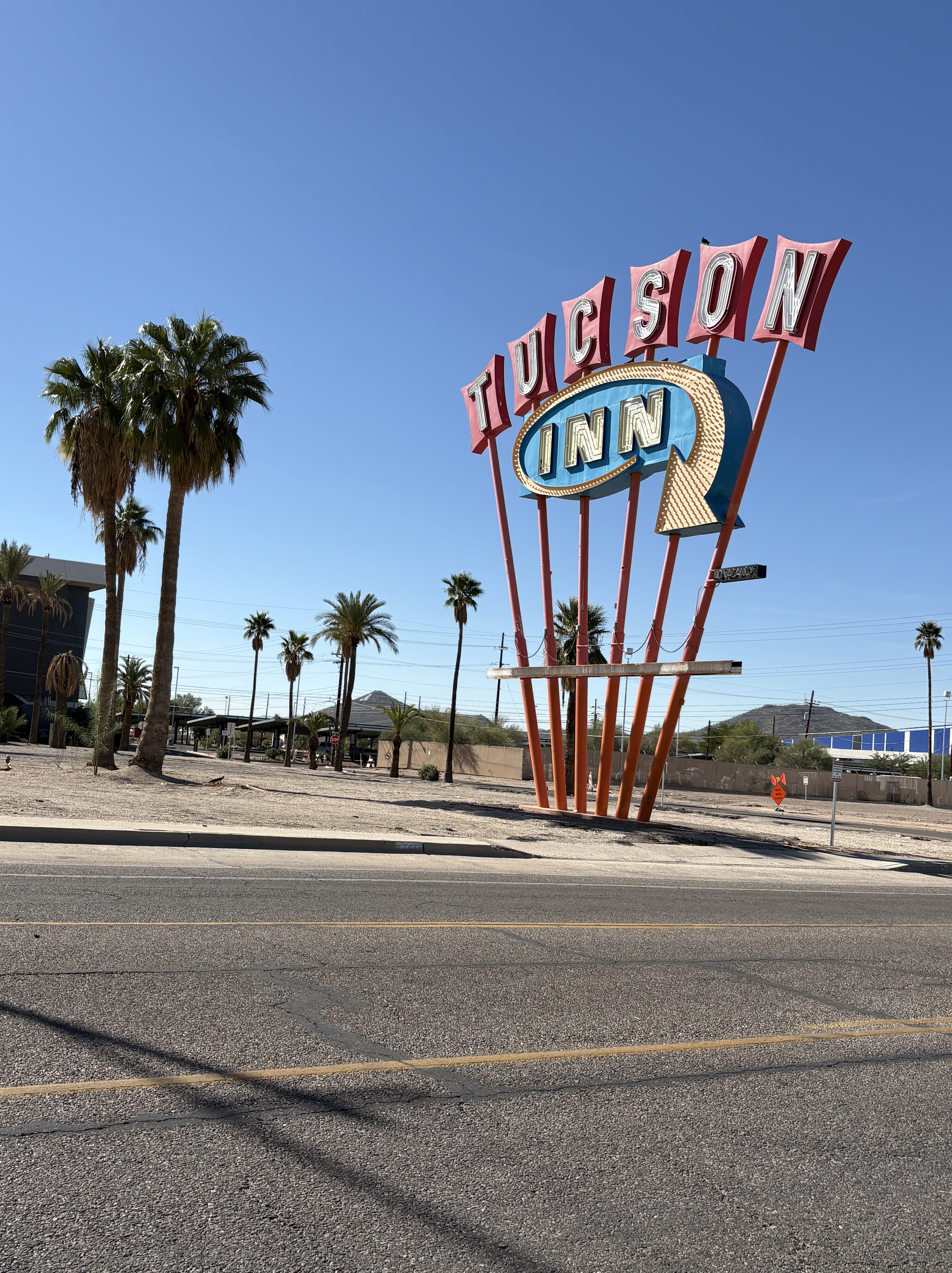
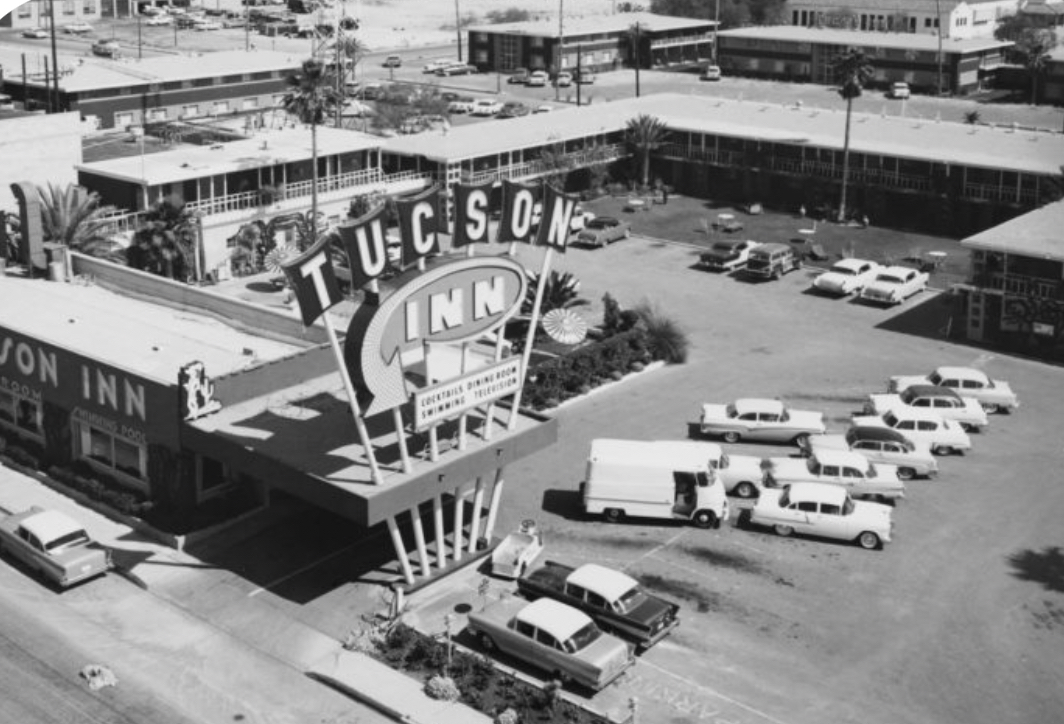
Pima County Community College recently demolished three historic motels in Tucson; the Tucson Inn, the Frontier Motel, and the Copper Cactus All three were within Tucson’s Miracle Mile corridor, a historic district on the National Register of Historic Places.
The 2025 Pecos Conference – Bears Ears National Monument and the Lands Between, Utah.
Nibbled on a bear’s ear. Now I must go back to Cedar Mesa for another taste.

See how it looks? That bear has been in some fights. That bear has seen some things.
Dogs and archeologists of every variety and age. Friendly and social every single one. It felt that way. Hot hike from parking. Every variety of camp: RV. Pop-up, little trailer, big trailer, simple tents, high tech tents, and hammocks. I chose a motel in Blanding. There’s a distant view of the ears from one of Blanding’s wide wide empty streets.
Vastly simplified, the Pecos Conference is three days of archaeologists reading papers in the woods. The ten minute talks are enough to intrigue but not enough to bore. There are no slides or computers or cell service. There are posters and interesting people. And did I mention the dogs?
I could have used a burro ride to get from distant day parking.

The Bears Ears Partnership BearsEarsPartnership.org hosted the conference this year with many sponsorships and broad participation. The setting was a forested 130 acres in the Manti-La Sal National Forest and Bears Ears National Monument in Utah, north of Blanding.
Action to reduce the size of the monument has united and strengthened proponents, including archeologists, Tribes, and agencies – a broad range of scholars, professionals, and interested individuals. Many of them were there and I learned so much.
Like about the berm and swale landscapes and the extent of land cultivation by Ancient Pueblo people and how the regional population grew and fell and how Bears Ears was home to “millions of people for thousands of years.” Like how 24 Tribes claim cultural affiliation with the area. Like just how much archeology there is and how much has been lost to looting and vandalism.
In 2009 Blanding was ground zero for a federal sting that resulted in dozens of arrests and a couple of suicides. The Edge of the Cedars State Park Museum includes a collection of recovered artifacts and is also located adjacent to a partially excavated Ancient Pueblo village. With so many sites within easy reach and strong markets for antiquities, pot hunting became a tradition in the last 19th century and continues today, in spite of the busts. This came up in most presentations. It is a primary fact of the profession.
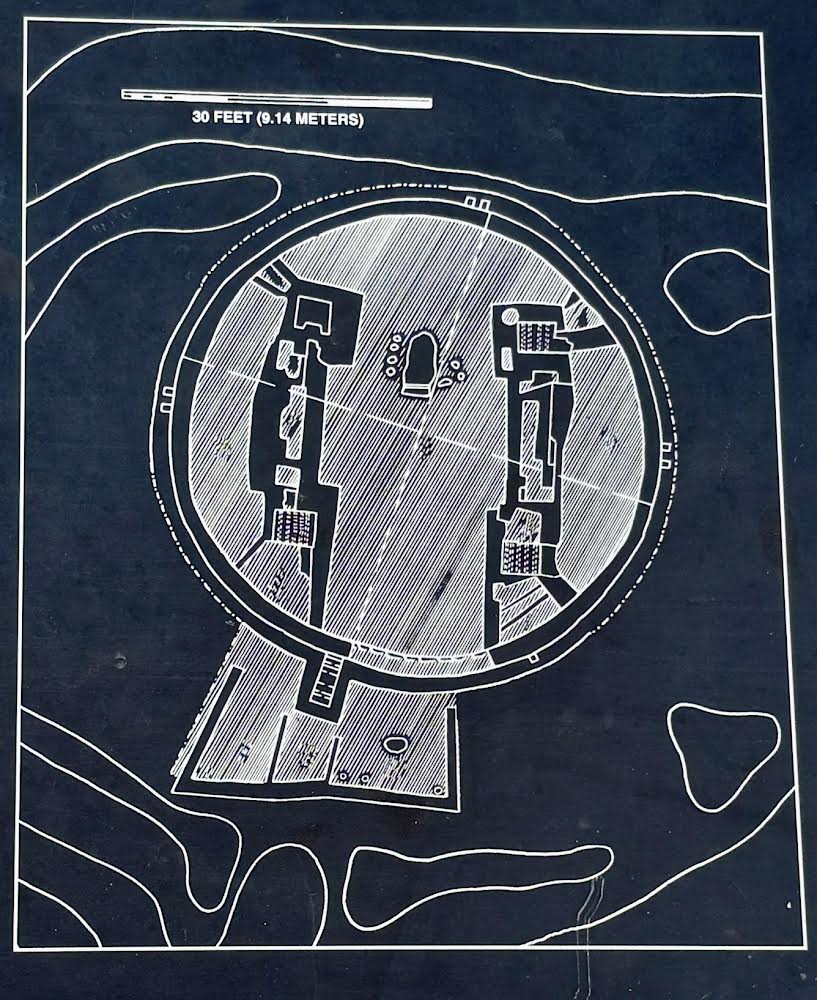
Lowry Pueblo layout may illustrate summer and winter people.
Iwas privileged to listen to the foremost land stewards and archaeologists in the Southwest present their work, memorialize fallen colleagues, and discuss issues and challenges. My interest was refreshed and my head was stuffed with new ideas and questions about the Bears Ears National Monument and threats to public land. The energy at the Pecos Conference was infectious and inspirational.
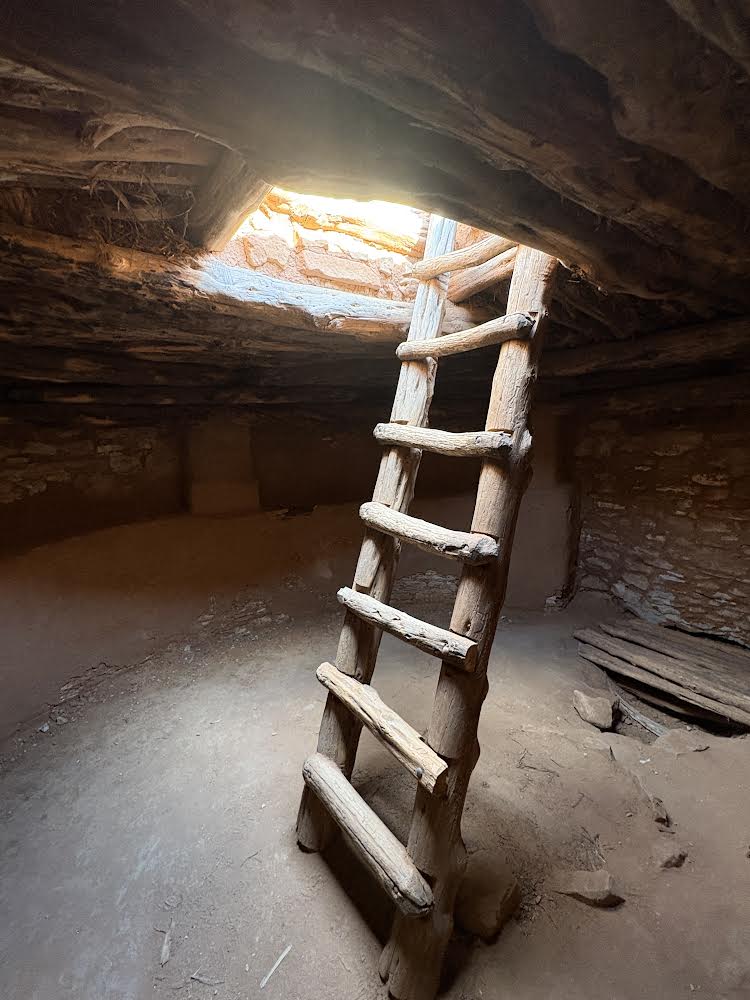
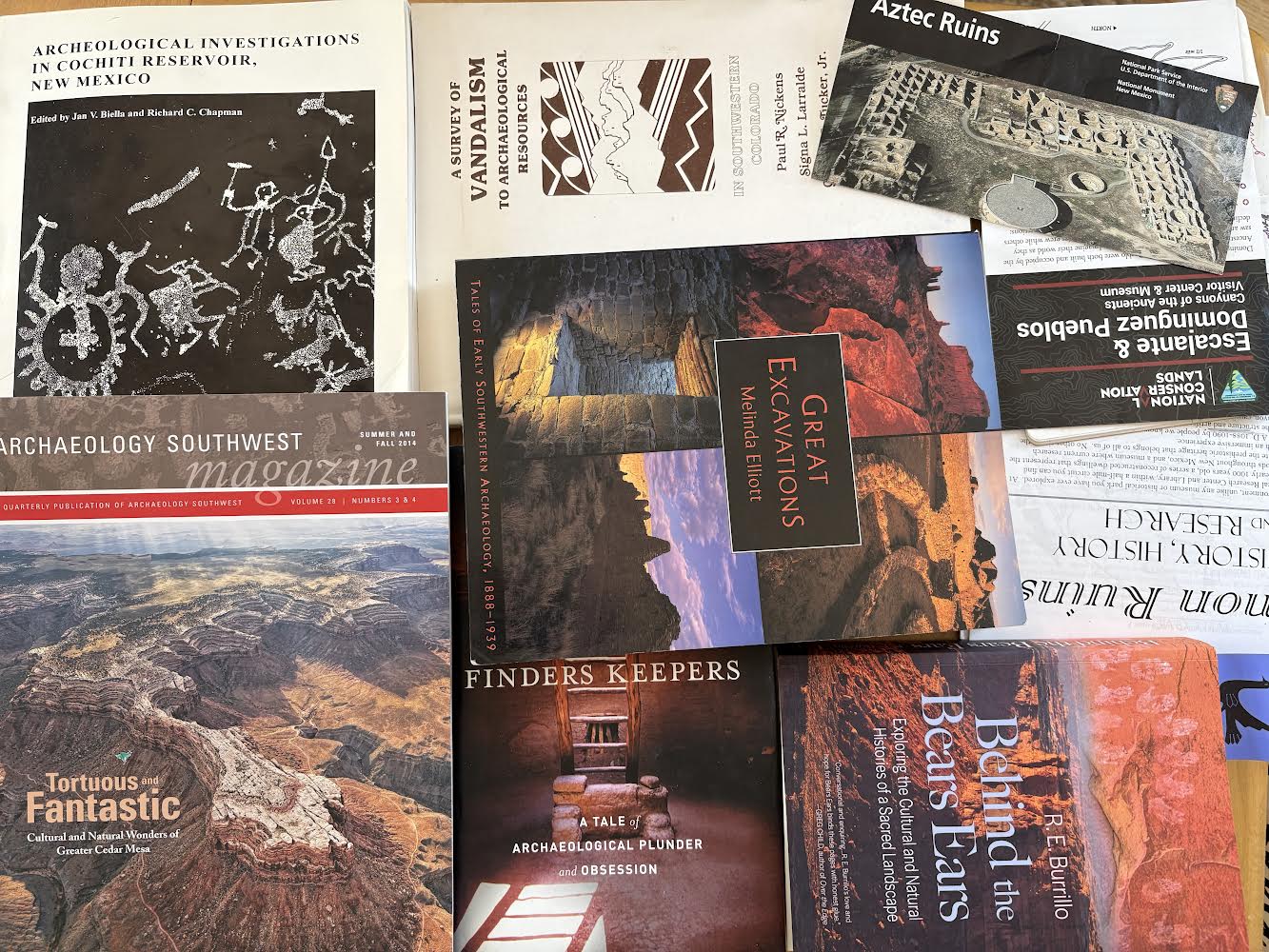
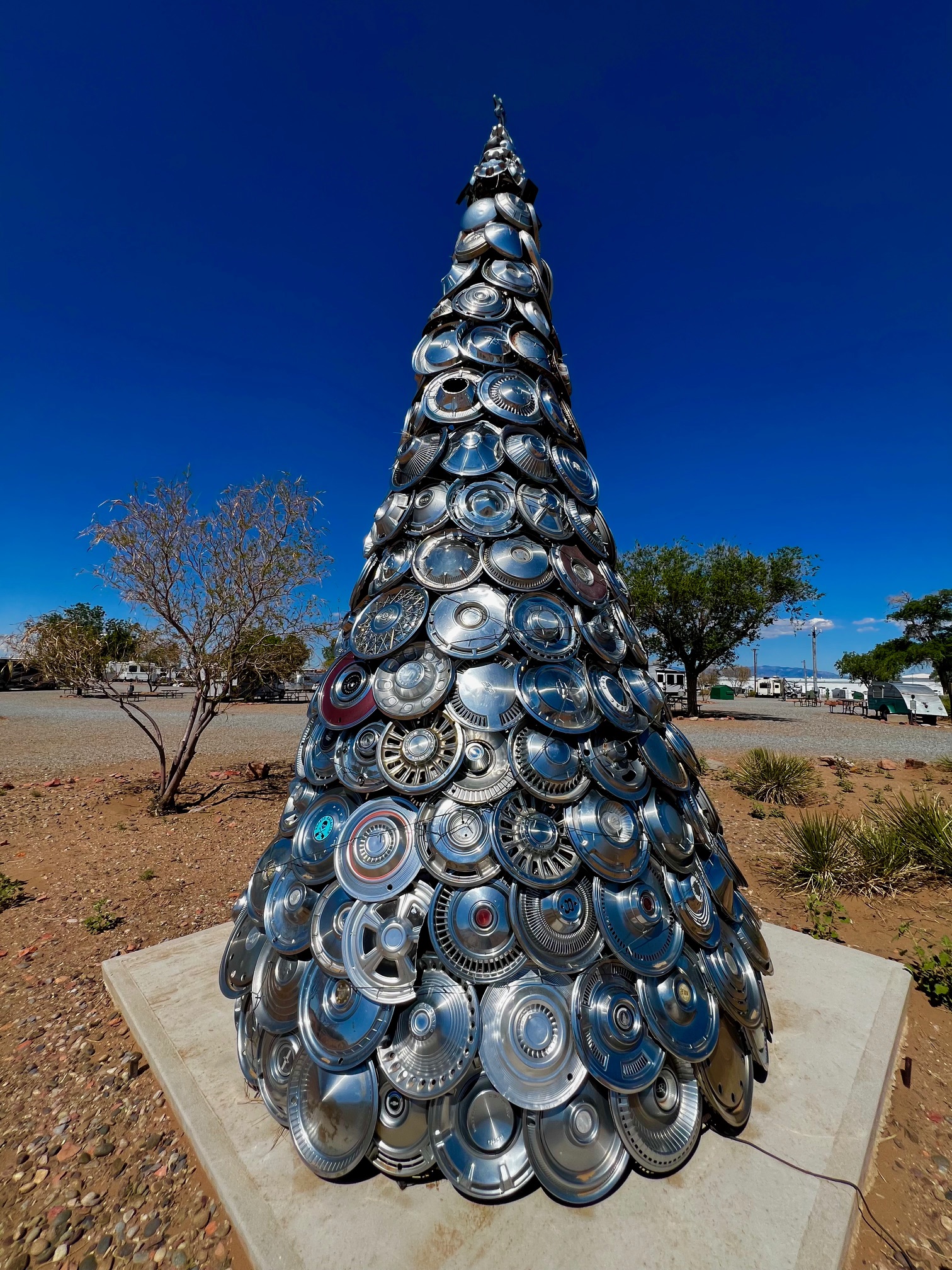
Photo by Cindy Carson
This 17 foot stunning tree of pure metal boasts of over 300 hubcaps secured to a steel frame. Enchanted Trails owner Vickie Ashcraft’s dream came to fruition in 2020, after 4 years of dedicated work, designing and collecting the necessary elements to create this unique Route 66 roadside attraction. Illuminated at night by multicolored solar lights, this Albuquerque beauty is a must see.
Enchanted Trails RV Park and Trading Post
14305 Central Ave NW
Albuquerque, New Mexico
87121
Oh the truck traffic on I-10 – parades of trucks. Are they talking about me? Do they still have CB’s? There are very few horse trainers anymore. They probably turned into truck drivers. Can I say that? Will they hear me? Do they have mobile listening devices? Are they out to get me? How much further is it?
I travel alone. I talk to myself. I haven’t felt good about it until recently. Eating alone, going to museums, performances and concerts alone, streets fairs and tours alone. The thing is, you’re never alone. People are everywhere. You sit next to them, walk next to them, eat next to them, drive next to them. Sleep next to them in thin-walled motels. People are everywhere. Talking all the time. It’s a relief to be apart for a while.
I-10 traffic makes I-25 look like my driveway.
I take lots of breaks. In T or C I had a combo plate at El Faro. In Deming I visited the museum in the old armory building and their beautiful Mimbres pots. In Benson an attentive docent showed off old medical ephemera, rolltop desks, and a collection of railroad and mining stuff. I continued west in a history quest and was richly rewarded in Dragoon Arizona at the Amerind Museum, Art Gallery and Research Center.
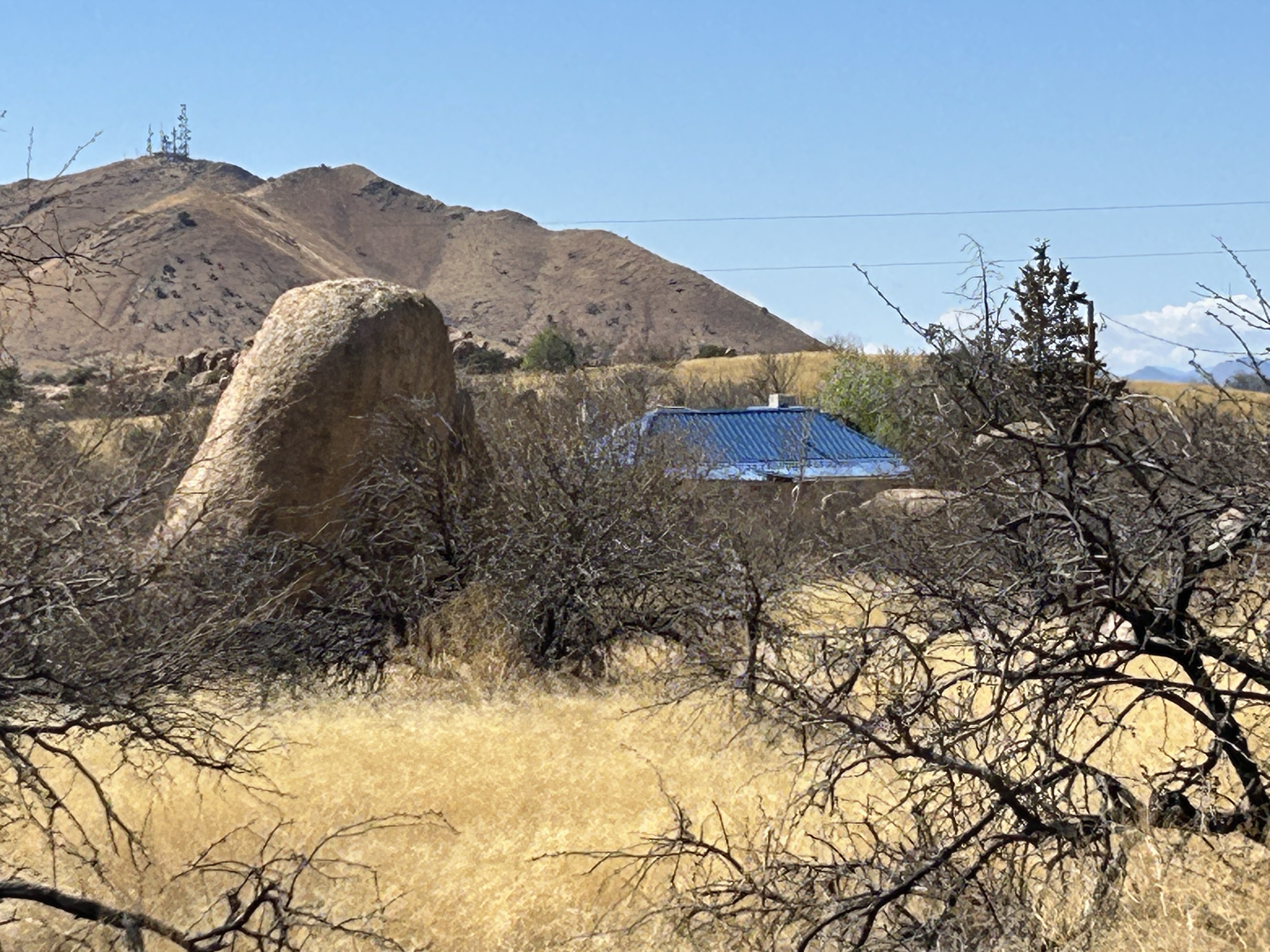
The old ranch established by William Shirley and Rose Hayden Fulton in 1930 was named FF Ranch. William had a passion for Native American artifacts and culture and she had a passion for Quarter Horses. But the horse business part of Amerind stopped when the horsewoman Rose died in 1968.
William Shirley Fulton was a Yale graduate who ran a foundry in Waterbury Connecticut for 25 years before retiring and devoting himself full time to his passion for archaeology. His first explorations of Arizona and New Mexico probably started after his marriage as his father-in-law owned interest in a copper mine in Jerome, Arizona.
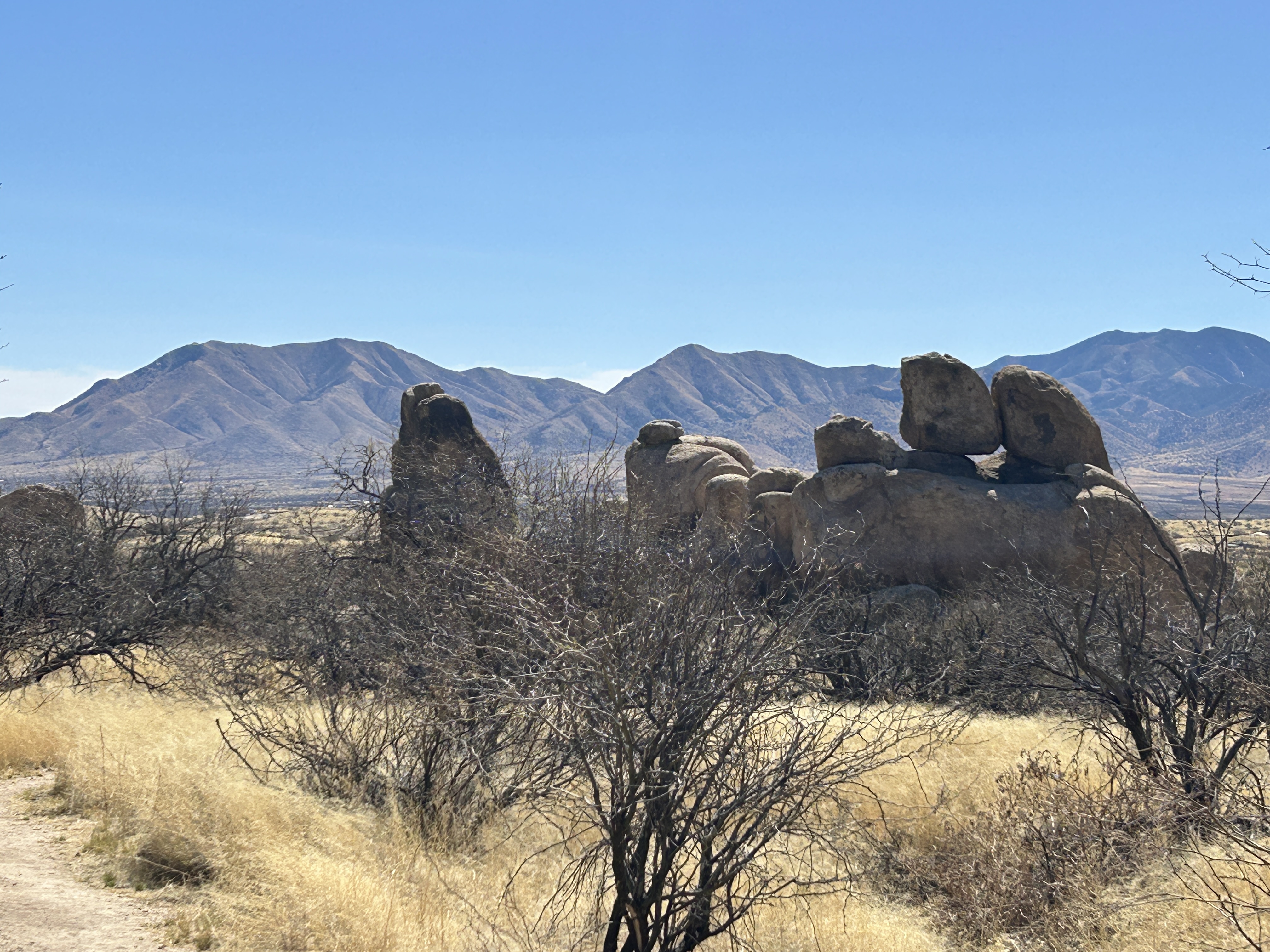
The Fultons established the Amerind Foundation in 1937 and opened the extensive collection of artifacts to the public. Permanent collections include a century’s worth of Zuni and Navajo jewelry, and a well curated trove of items from Paquime. There are items with carefully curated text about language and cultural groups from all over the Americas.
The multilevel building of rose stucco and arches hosts special events. There is a large research library that includes Fulton’s rare book collection. There are also six miles of well maintained scenic trails. I walked through and around the huge boulders before the wind came up. I would have to visit again.
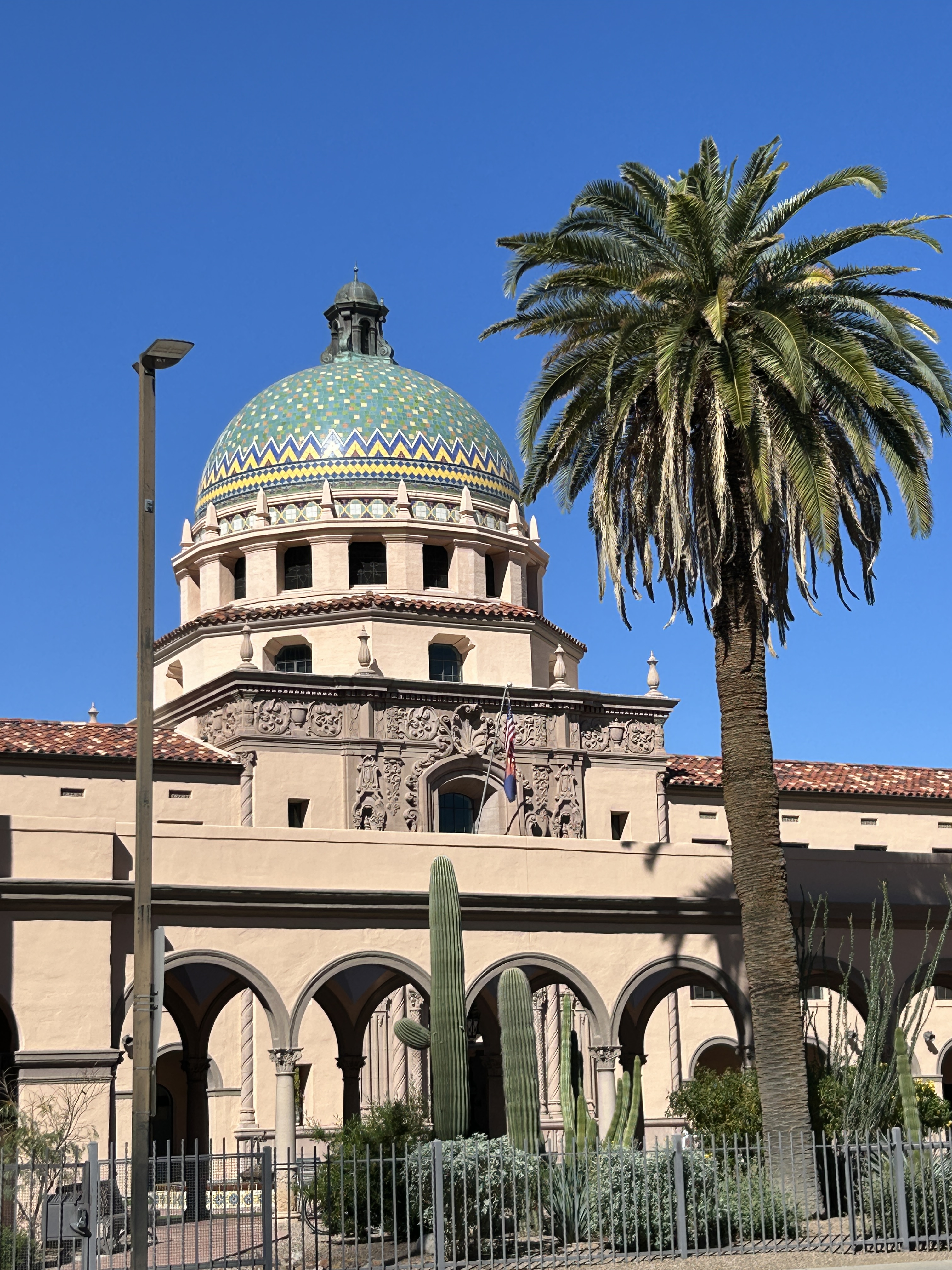
The wind was roaring when I reached Tucson and checked into my beautiful room at the Arizona Inn. It was designed by the same architect the Fultons hired to build Amerind, Merritt Starkweather. He favored the Mission style and dusty rose stucco.
Is this thing on?
The 2025 Tucson Book Festival at the University of Arizona went fast. It was well-organized and full of great speakers. The technical problems that seem to plague most live productions were virtually absent or invisible. It was fabulous, free, and packed. (I am never alone.) I listened to seven sessions in the two days, mostly about politics, and came away informed and inspired, if not uplifted. I also purchased books. Note for next year: budget for the books.
Session titles like The Dangerous Manipulators, Freedom Under Fire, Searching for the Truth, and Reconciling in Trump’s World capture the drift of the presentations I saw. Random notes and ideas I gleaned: You must stand up and out of the box. Just voting isn’t enough. There hasn’t been a President Turley has liked since Madison. The Federalist Society is now the GOP’s “one stop shop” for judges. Free speech laws silence the wrong people. Speech conduct and content are different and should be. Fifty years of not weaponizing the Justice Department has vanished. Just the facts won’t work to convince the right. There are no good billionaires who’ll save us.
There is hope in the local.
I needed to explore the desert to recover.
I toured the Los Morteros Conservation Area in Marana and the Picture Rocks site on Spring Equinox with a guide from the Old Pueblo Archaeology Center. Los Morteros is a Hohokam site featuring mortars in natural rock outcrops used to grind mesquite pods into flour. While we were walking I ordered mesquite flour that I’ve since used to make cookies and pancakes. It’s orangish in color and has a nutty flavor.
The Picture rocks site features a sun spiral with a shaft of light or dagger that points to its center at midday on the Spring equinox. We careened to the site in a caravan of cars and arrived at the Catholic retreat to watch as it happened. Tour attendees were respectful and quiet but for the memorable and not insignificant sound of feet crunching through gravel.

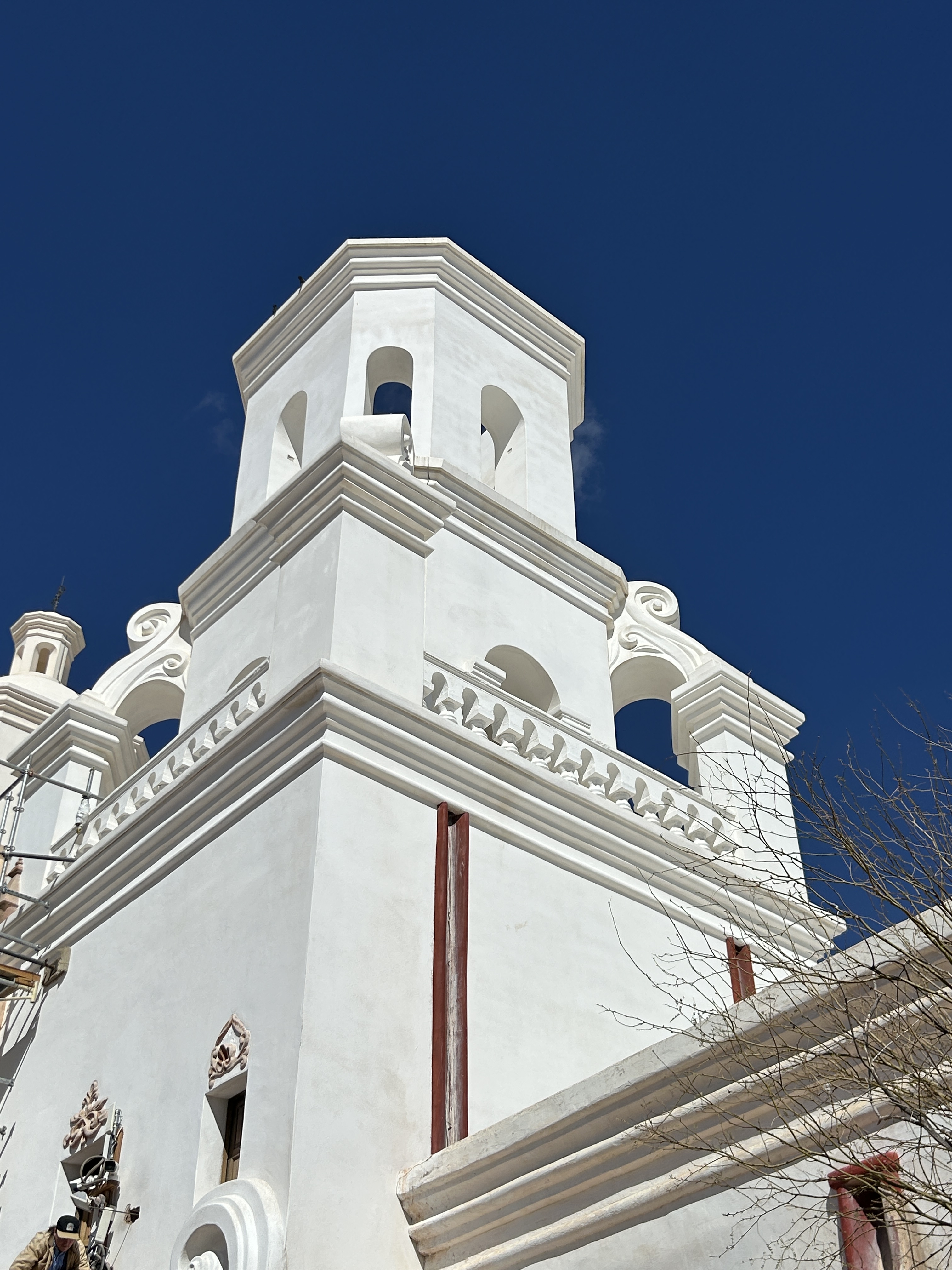
On another tour of the San Xavier del Bac Mission I learned about Father Kino who established it and many others. I found out that it was once a part of the Santa Fe diocese. The Spanish Gothic architecture is unique and unrivaled, even by the California missions. We were told it was once abandoned completely and that people took shelter within its walls, making fires that blackened the wall paintings that took decades to clean and restore.
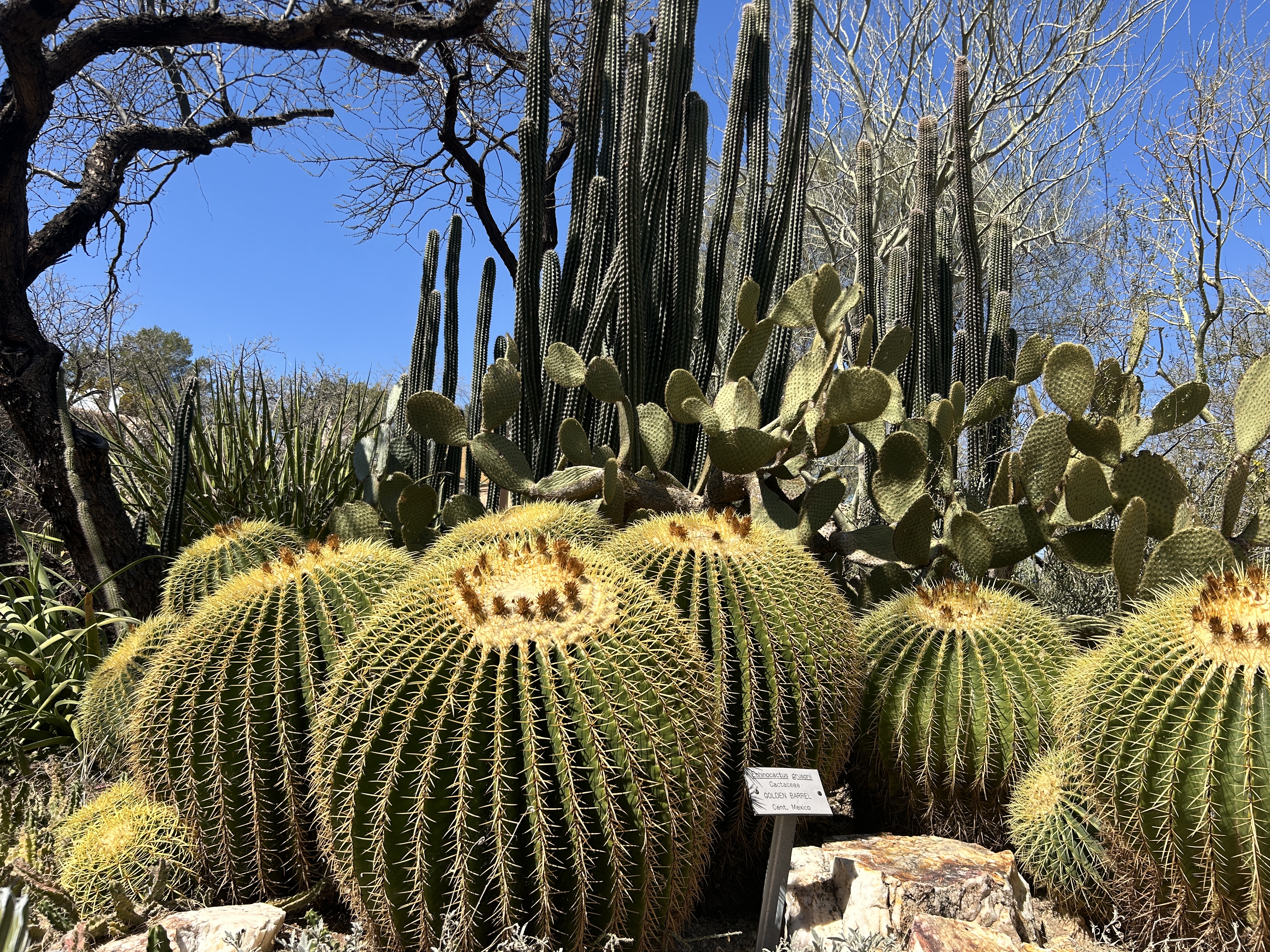
The Mission Gardens are located at the site of a village and another mission once located at the foot of Sentinel Peak. The site is Tucson’s birthplace and origin of its name, “Cuk Son” meaning something like “Black Base.” Over 4000 years of cultivation has occurred at this location in the Santa Cruz River floodplain. The plots each demonstrate a different era in Tucson’s agricultural heritage, from Native American to Statehood. Heritage chickens roosting in an ancient coop. Quail running around the agave, huge roasting pit like the Hohokam used to process agave. Millstone and threshing ground. Dozens of citrus trees in full fruit. Quince and orange jam grown and jarred there for sale with other things.
At the 49 acre Tohono Chul gardens I watched an outdoor performance of Mozart’s opera, The Secret Gardener, by Arizona Opera. At Centennial Hall on the UA campus I saw the Martha Graham Dance Company perform. I visited the Tucson Botanical Gardens, Tucson Museum of Art and the Fourth Avenue Street Fair. Both days. I took tours of Barrio Viejo and Fort Lowell.
My immersion into Tucson came to a noisy climax downtown in my final nights at the Hotel Congress.The place is full of vintage elements, like old tile and plumbing. It’s bars and stages host renowned performers. I enjoyed jazz and flamenco shows.
Guests are warned it is a loud hotel. You’re asked to sign something acknowledging this when you check in. Somehow I thought it was about the music. At 10:53PM, after the kitchen fell silent, yelling began. I pulled off my headphones. He didn’t seem drunk. He wasn’t slurring his curses at all. The hotel heaved a collective sigh – what an asshole everyone grumbled at once. His shouting continued, reverberating down the halls with perfect clarity. A woman pleaded with him and a little dog barked. At one point someone asked him politely. Dude, we’ve got kids. We’re trying to sleep. He was sneering and mocking the guy. It got quiet soon after that. In the morning someone at the reception desk apologized and said the police took him away. Subsequent nights were much quieter.

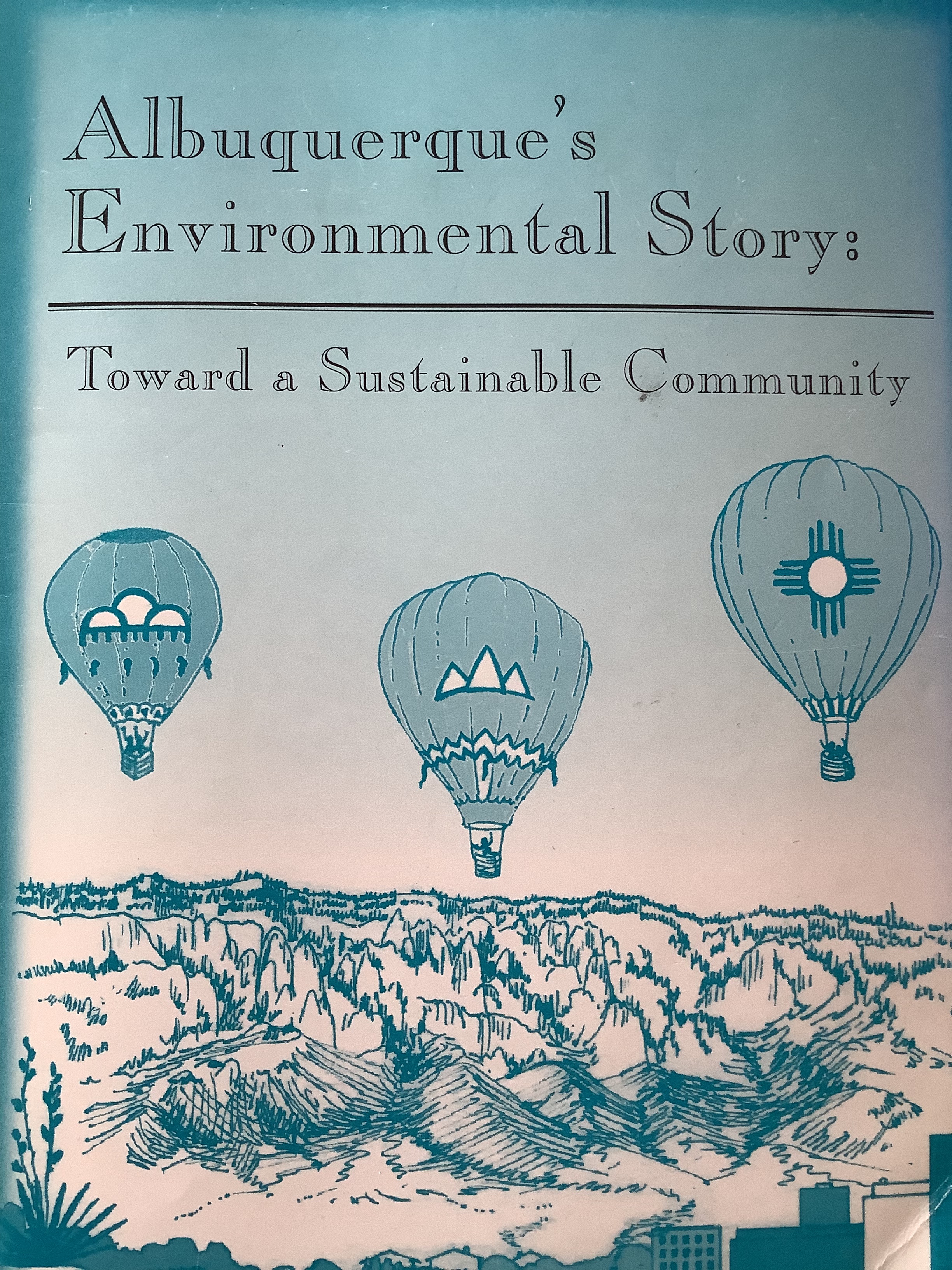
Albuquerque’s Environmental Story: Toward a Sustainable Community is a 462 page teaching resource for students and adults.
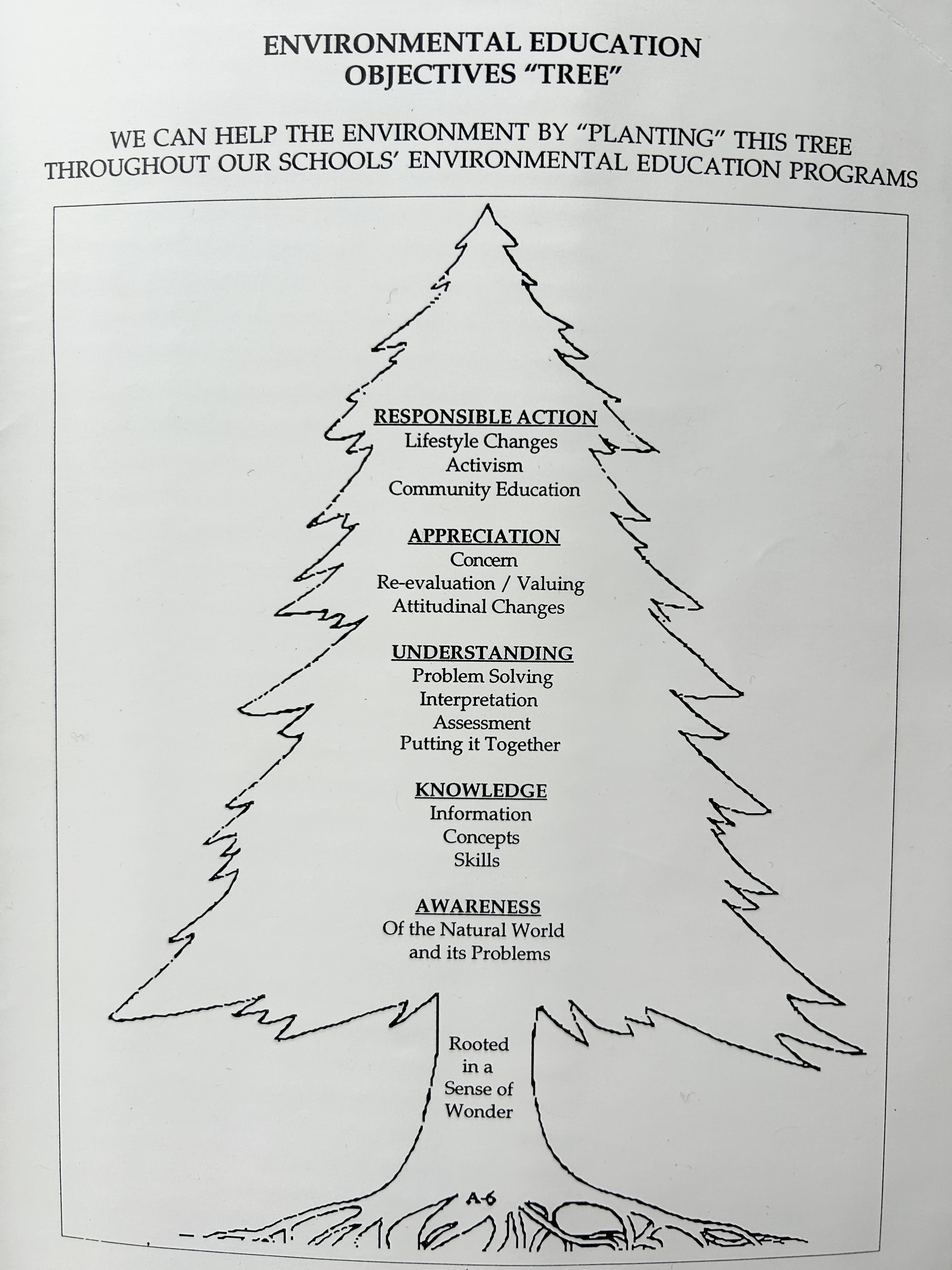
“(A) holistic overview of the Albuquerque area’s human, built, cultural., and natural environments… designed to inculcate a sense of community among the young and to achieve attitudinal change among adults…to raise consciousness through appreciation as well as interrelated , interdependent sharing of this ecosystem to achieve knowledgeable , responsibly involved citizenry.” Hy and Joan Rosner
Joan and Hy Rosner undertook the long running effort to fund, organize, promote and write three editions and an online version of the document that is still available on the Albuquerque Historical Society website.
The Albuquerque Conservation Association was honored to have participated as the non-profit sponsor of the effort prior to establishment of Friends Of Albuquerque’s Environmental Story in 1999.
The encyclopedic reference book documents every aspect of the community, including topics of geology, air and water quality, solid and hazardous waste, energy, historic preservation and the built environment, including descriptions of 11 neighborhoods, the East Mountains and Rio Rancho.
The book includes teaching tools called “Eye Opener Worksheets” that outline activities and ask questions to spur thoughts and discussions for the classroom. It also contains multiple extensive bibliographies and appendices.
The first version was published in 1978 . It was revised twice and in 1988 the Rosners also oversaw production of a slim condensed version called, “Albuquerque: City of Contrasts.”
I visited the Rosners’ home on Sunningdale in the late 80’s. Their large dining room table was covered with orderly piles of paperwork related to the document. That table was symbolic of the effort to which they devoted their lives and personal space to the work. Their enthusiasm was contagious.
Financial support from businesses, including AT&T, Intel, and PNM made the work possible and volunteers from the City, County, Albuquerque Public Schools, and groups such as 1000 Friends of New Mexico, Central New Mexico REBUILD AMERICA, AIA Albuquerque, Cottonwood Printing, Shared Vision, and the American Architectural Foundation were involved. Mayor Martin Chavez provided the forward to the 1996 edition. Over thirty individuals were involved. The result was a thorough and balanced treatment of all aspects of Albuquerque and the region.
A city beautiful, a balanced city that works for all of us, must have the informed participatory backing of an enlightened citizenry, a recognition that the environment is all embracing, that it touched all our lives.” Hy and Joan Rosner 1987.
The growth of Albuquerque has not eclipsed the Rosner’s work. AES is a lasting legacy of the Rosners and to the spirit of Albuquerque’s places and citizens.
Here’s the direct link to Albuquerque’s Environmental Story.
| Rock Hound – C… on Sonoran Falling |
| Adric Menning on Carnuel Cross | |
| Albuquerque’s Neon P… on The Neon Park and the Garcia… |
 | Mesa Verde | The Alb… on Jerry Widdison |
| Jerry’s 90th! | The… on Jerry Widdison |
 The Albuquerque Conservation Association